


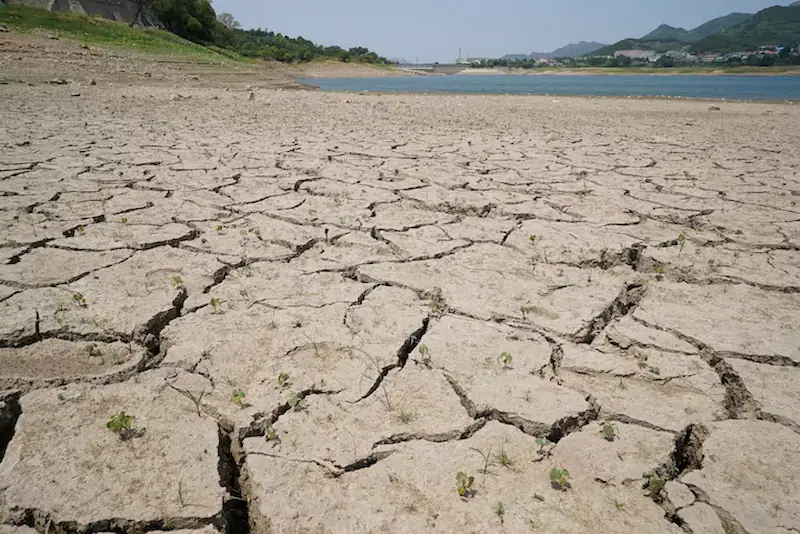


Amidst mounting concerns over the escalating effects of climate change, China is gearing up to face more frequent and intense heatwaves, coupled with erratic heavy rainfall, as warned by the China Meteorological Administration (CMA) in its latest annual climate report.
According to the report, the country is projected to experience a significant uptick in maximum temperatures, with a potential rise of 1.7-2.8 degrees Celsius within the next three decades, with regions like eastern China and Xinjiang expected to bear the brunt of this temperature surge. Last year already saw record-breaking national temperatures, leading to unprecedented levels of glacial retreat and permafrost melting in the northwest.
Recognizing itself as one of the most climate-vulnerable nations globally, China is under mounting pressure to swiftly adapt to the swiftly evolving weather patterns and sea-level rise, surpassing the global average. Yuan Jiashuang, the vice-director of CMA’s National Climate Centre, emphasized the grave consequences China faces due to global climate shifts, stressing the need for immediate action.
The projections indicate that if greenhouse gas emissions remain unchecked, extreme heat events—currently anticipated once in fifty years—could become a biennial event by the end of the century. Additionally, rainfall patterns are expected to double and grow increasingly erratic. To add to the concern, the CMA has warned of a second consecutive summer marked by extreme heat waves. Residents across the country, like Chen Yuhan from Shanghai, are already experiencing unprecedented and alarming temperature spikes, indicative of the changing climate reality.
Moreover, with torrential rains wreaking havoc in the southern regions and record temperatures scorching the north and central parts of China, agriculture and critical infrastructure face substantial risks. The recent spate of extreme weather events has disrupted planting schedules, threatened crop yields, and strained electricity supply networks.
As the country braces for an arduous summer ahead, CMA underscores the urgency to mitigate risks to agriculture, particularly cotton, early rice, and late rice, which are susceptible to heat stress. Projections indicate that temperatures in various regions are expected to soar above normal levels, with areas like Zhejiang, Jiangxi, Hunan, Fujian, Guangdong, Guangxi, Gansu, and Ningxia likely to witness a 1 to 2 degrees Celsius hike.
Adding to the complexity, the weather bureau predicts the likelihood of two typhoons making landfall in mainland China in July, possibly veering towards a westward or northwestward trajectory. The memory of last year's powerful typhoons—Doksuri and Haikui—lingers as they wrought havoc, setting new rainfall records, inducing floods, and necessitating mass evacuations in affected areas.
Conclusively, China's proactive strategies in climate adaptation and resilient infrastructure development will play a pivotal role in mitigating the escalating climate risks and safeguarding the nation's natural and human resources against the adverse impacts of climate change.