




Amid the ongoing challenge of range anxiety hindering the widespread adoption of electric vehicles, a simple yet effective solution is emerging – integrating a charger directly onto the vehicle. While conventional hybrid vehicles rely on gasoline to power the wheels, a new wave of cars are utilizing it solely to charge a sizable onboard battery. This unconventional approach, reminiscent of a child's ingenious idea, may not be the most efficient or cost-effective, but it could prove to be a game-changer in an era marked by unreliable charging infrastructure and contentious politics.
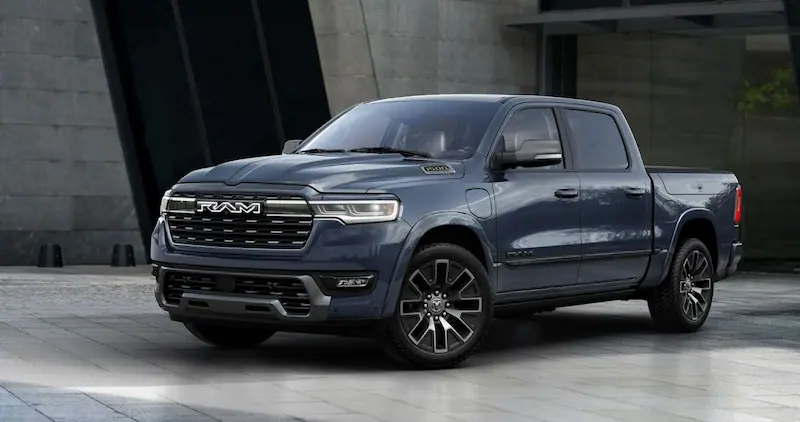
Engineer John Krzeminski, from Strange Development in Detroit, foresees a surge in range-extending hybrids hitting the market soon. One such example is the 2025 Ramcharger pickup by Stellantis NV, set to debut next year. Equipped with a 92 kWh battery capable of covering most daily commutes, the Ramcharger also features a 6-cylinder engine to charge the battery while driving, effectively transforming the vehicle into a mobile charging station operating at 75 mph.
While the concept of range-extending hybrids is not new, it is gaining traction as a practical solution for those who are intrigued by electric vehicles but remain hesitant. The strategy, first popularized by BMW's i3 in 2013, has since garnered a dedicated following and maintained strong resale values due to the persisting challenges of charging infrastructure in the United States.
Despite the inherent inefficiencies of relying on gasoline for charging, the environmental impact of these range-extending hybrids remains favorable compared to traditional internal combustion vehicles. With Americans often overestimating their driving needs and underestimating the availability of charging stations, the use of onboard generators minimizes the reliance on fossil fuels.
By incorporating a smaller battery in these vehicles, manufacturers like Stellantis can significantly reduce the initial carbon footprint associated with EV production, making electrification more accessible and cost-effective for consumers. Models like Mazda's MX-30, which offers both electric and range-extended versions, have seen significant consumer interest in markets like Japan and Europe.
Moreover, these range-extending vehicles have the potential to bridge political divides surrounding electric vehicles. While EVs are a focal point of the Biden administration's climate policies, they have faced resistance from certain segments of the population. Range-extending hybrids offer a compromise that appeals to a broader audience, irrespective of their stance on climate change.
In conclusion, while range-extending hybrids may be a temporary solution in the journey towards fully electric vehicles, they currently serve a crucial niche in the market. As charging infrastructure continues to evolve and consumer preferences shift, these vehicles could provide a practical and accessible transition for drivers looking to embrace electrification without compromising on convenience or range.