


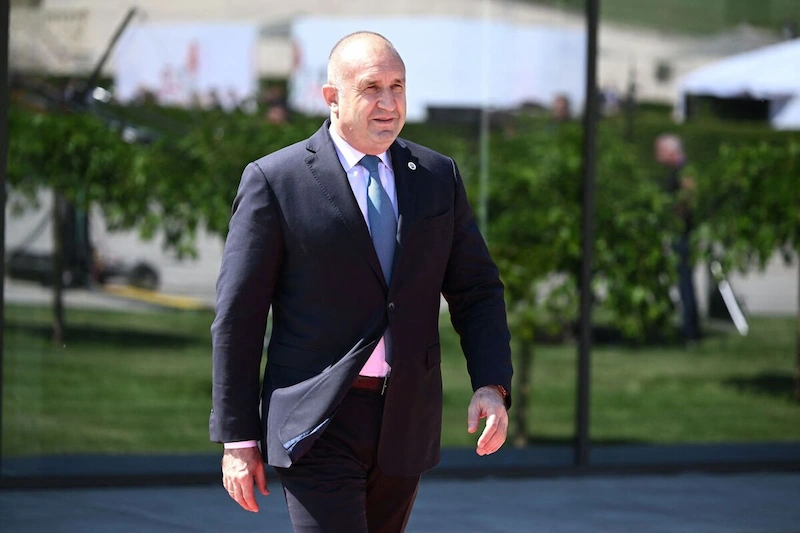


Bulgaria is facing a deepening political crisis as President Rumen Radev recently declined to approve a proposed interim cabinet, leading to the postponement of a much-needed snap election. The country, which has experienced six snap elections in less than four years, is struggling to form a stable government amidst ongoing factionalism and disagreements among political parties.
President Radev's decision to reject the interim cabinet was driven by concerns over Interior Minister Kalin Stoyanov's ability to ensure fair elections, given his perceived connections to controversial lawmaker Delyan Peevski, who is under US sanctions for corruption. Minister Stoyanov has vehemently denied any ties to Peevski or involvement in corrupt activities, dismissing the accusations as baseless attacks on his reputation and that of his ministry.
With the postponement of the snap election until after Oct. 20, Prime Minister-designate Goritsa Grancharova-Kozhareva now faces the challenge of navigating a potential constitutional crisis. President Radev, a NATO-trained Air Force general, has faced criticism for his perceived pro-Kremlin stances and reluctance to provide military assistance to Ukraine. His authority to appoint interim governments was recently curtailed by constitutional amendments, limiting his options in forming caretaker administrations.
Radev is now tasked with selecting an interim premier from a pool of administrative figures, including the ombudsman, the head of the audit office, the central bank management team, and the parliamentary speaker. However, most of these figures have declined the position, further complicating the political landscape. The president has called on parliament to expedite the appointment process to address the current deadlock.
As polls indicate a continued lack of a stable majority in the upcoming election, the prospect of prolonged political uncertainty looms over Bulgaria. President Radev has vowed to continue discussions with potential premiers in an effort to minimize turmoil, but the path to a lasting government remains uncertain, with a new vote potentially on the horizon in early 2025.