


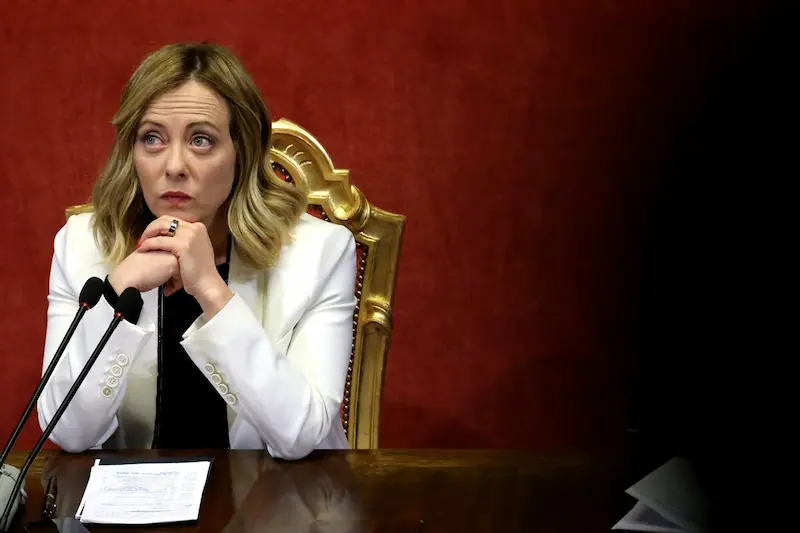


Italian Prime Minister Giorgia Meloni and her coalition are confronting a daunting task of filling a substantial €12 billion budget gap through cost-cutting measures and delayed retirement plans. The need for approximately €25 billion for 2025 looms large, with only half secured at the moment, sources revealed. These discussions, shrouded in secrecy, will take center stage at a crucial meeting of the ruling alliance's party leaders following the summer break.
The decisions made during this gathering will set the foundation for the next year's budget, with Finance Minister Giancarlo Giorgetti expected to present a fiscal plan to the EU by mid-September aligning Italy's deficit closer to the 3% limit. Despite Meloni's government demonstrating economic growth and reducing the bond spread between Italy and Germany, adhering to the EU's fiscal regulations presents a complex challenge. The upcoming 2025 budget will serve as a litmus test for the coalition's ability to fulfill electoral promises, manage internal tensions, and restore public finances.
Member of the coalition, Matteo Salvini's pledge to reinstate a cut in the tax wedge amounting to €10 billion adds further pressure. Other commitments such as tax bracket reductions and various tax breaks for specific demographics could collectively cost an additional €4 billion. While Salvini appears willing to go the extra mile within budget constraints, securing the necessary resources remains a critical hurdle.
Potential measures being explored include incentivizing delayed retirement for certain workers eligible to leave work before the standard age of 67, along with potentially doubling the current €2 billion in planned savings through administrative cost-cutting. The forthcoming draft structural budget plan to be submitted by Giorgetti will be closely scrutinized by the EU, outlining Italy's commitment to spending limits over the next four years as it grapples with a rising debt load.
Amid efforts to reassure both the EU and investors, Meloni must navigate internal discord within her coalition, notably between Salvini and Antonio Tajani of Forza Italia. Recent clashes between the two over policies ranging from immigration to spending underscore the divergent viewpoints within the alliance, necessitating Meloni's ongoing role as mediator.