




In a surprising turn of events, Saudi Arabia has been engaging in diplomatic efforts to expand its regional influence and burnish its global image. This new approach marks a major departure from the kingdom's previous confrontational and interventionist foreign policy, which had led to greater regional instability and increased security threats against Saudi Arabia.
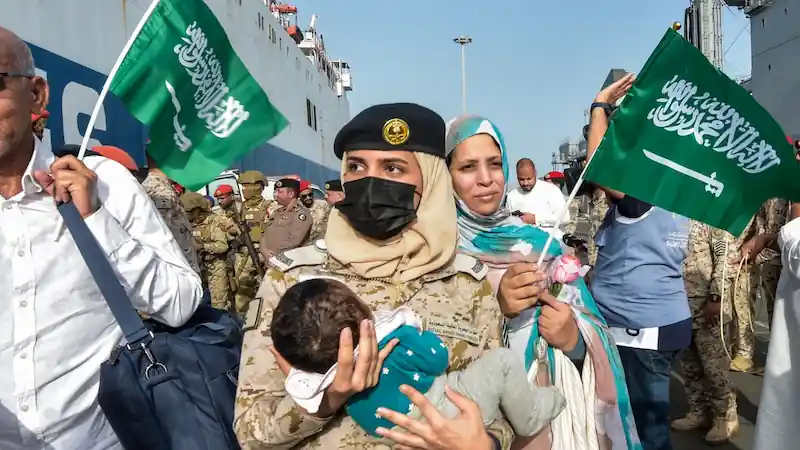
One of Saudi Arabia's recent diplomatic efforts was in Sudan, where it has been working to mediate a conflict between forces loyal to two rival generals, Sudanese Armed Forces commander Abdel Fattah Al-Burhan and Rapid Support Forces head Mohamed Hamdan Dagalo. The kingdom has also been leading efforts to evacuate over 5,000 people from over 100 nationalities from Port Sudan to Jeddah, with the assistance of the United States and other regional and international partners.
These diplomatic efforts are part of a broader strategy to position Saudi Arabia as a peacemaker and raise its diplomatic profile on the international stage. The kingdom has been mending ties with former foes such as Iran, Yemen's Houthis, Turkey, and Syria's regime. It has also been spearheading efforts to bring Syria's President Bashar al-Assad back into the Arab fold over a decade after severing ties with it.
In addition, Saudi Arabia has been using its considerable resources in the Red Sea to help reduce tensions and promote an inclusive political process and dialogue that will restore peace and stability to Sudan. The kingdom's efforts may face credibility challenges given its previous combative foreign policy and bad press, but it still carries enough influence to bring quarreling parties to the negotiating table.
Overall, Saudi Arabia's new foreign policy is more independent and prioritizes Saudi interests. The kingdom's economic growth at home requires regional stability to succeed, as it aims to become a global economic player and key regional tourism and business hub. By engaging in diplomatic efforts, Saudi Arabia hopes to position itself as a peacemaker and use its influence to reduce tensions and promote regional stability.