




Serbia is reeling after two mass shootings occurred in less than 48 hours, leaving multiple people dead and sparking calls for urgent action to prevent further tragedies. While gun ownership is high in Serbia, mass shootings are extremely rare in the Balkan country, and until this week, school shootings were virtually unheard of.
The first shooting occurred on Wednesday when a 13-year-old boy opened fire on his classmates at a school in the capital city of Belgrade, killing at least eight children and a security guard. The nation was still in shock when news of another mass killing broke on Thursday night. A 21-year-old gunman wielding an automatic weapon killed eight people in the village of Dubona, south of Belgrade. The gunman has since been arrested after a massive overnight manhunt involving hundreds of special forces.
The tragedies have left many in Serbia aghast, with questions about the motives behind the shootings high on people’s minds. The night before the school shooting, the 13-year-old suspect was reportedly up late watching videos on TikTok and an American documentary about a school shooting. The teenage suspect fired 57 rounds inside Vladislav Ribnikar Elementary, using two handguns that his father owned legally and kept in a locked safe.
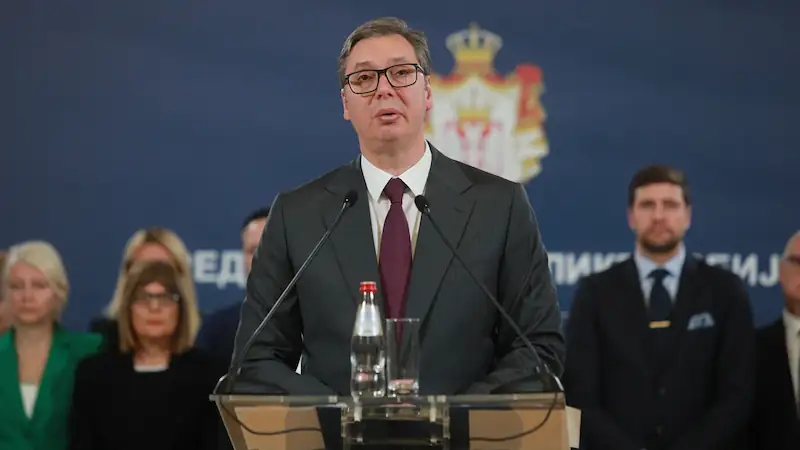
Serbian President Aleksandar Vučić promised that the government will make urgent changes to the country’s firearm legislation, proposing tougher conditions for people who wish to purchase weapons and a national gun buyback program for those who cannot fulfill those conditions. The government is also proposing a two-year moratorium on the issuing of new gun permits and a review of existing permits within the next three months.
The massacres have sparked discussions about mental health, parental responsibility, violent video games, social media, and guns. While Serbia is a country that has known violence, conflict, and war, it has not had to reckon with questions around this type of mass shooting. Serbia has the highest level of civilian gun ownership in Europe and the fifth-highest in the world, a legacy of years of conflict in the 1990s. However, getting a gun legally is a complicated process that requires a background check, medical check, and a training course, and the person wanting a gun must also prove they have a valid reason to own one.
In the meantime, ordinary people are doing what they can to help, with blood donation clinics reporting twice as many donors as usual turning up to give blood following the shootings. The massacres have left the country in shock and grief, grappling to make sense of the senseless violence and demanding answers to prevent any further tragedies.