


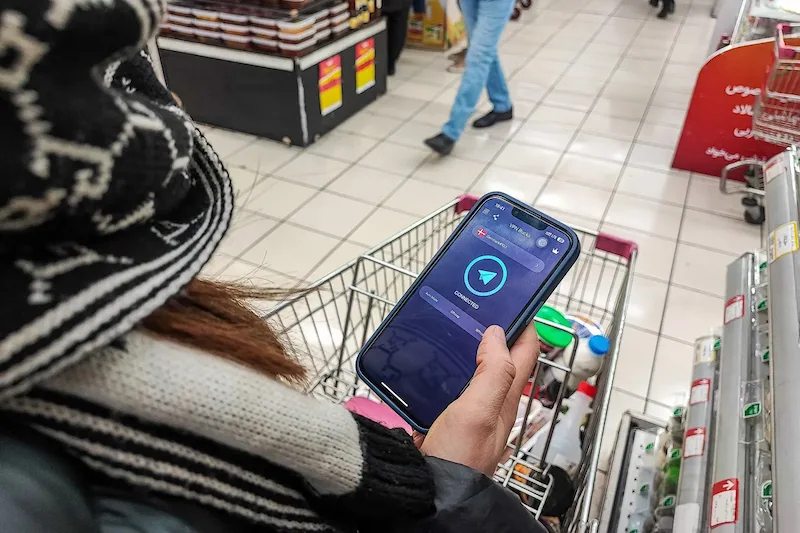


In a significant move signaling a potential shift in Iran's approach to internet freedom, the government has announced plans to lift restrictions on popular platforms such as WhatsApp and Google Play. This decision, approved by Iran's Supreme Council of Cyberspace, comes amidst mounting economic and foreign-policy challenges facing the Islamic Republic.
For years, Iran has imposed some of the world's strictest internet controls, blocking access to social media networks following the 2009 protests against Mahmoud Ahmadinejad's reelection. However, Tuesday's decision marks a departure from this trend, with anticipated unblocking of widely used applications like WhatsApp and Google Play.
Despite facing longstanding criticism for its stringent internet policies, Iran's officials have now taken steps toward easing restrictions. This move, promised by President Masoud Pezeshkian since his election in July, reflects a willingness to address domestic discontent and possibly improve international relations.
The timing of this decision is particularly noteworthy as Iran finds itself embroiled in various conflicts and crises. The support for Hamas in Gaza and Hezbollah in Lebanon has placed Iran at odds with Israel, resulting in a standoff exacerbated by recent military actions. Additionally, the fallout from the events in Syria, including the ousting of Bashar al-Assad, has further complicated Iran's foreign policy strategies.
While the specific timeline for implementing these changes remains unclear, the decision to unblock WhatsApp and Google Play is expected to be the first of many steps in a larger process of loosening cyberspace restrictions in Iran. This incremental approach aims to address the longstanding grievances surrounding internet accessibility in the country.
Notably, Iran's internet freedom has been among the lowest globally, according to assessments by organizations like Freedom House. By lifting bans on key platforms and signaling a willingness to engage in more open internet policies, the Islamic Republic appears to be taking a step towards greater transparency and connectivity for its citizens.