


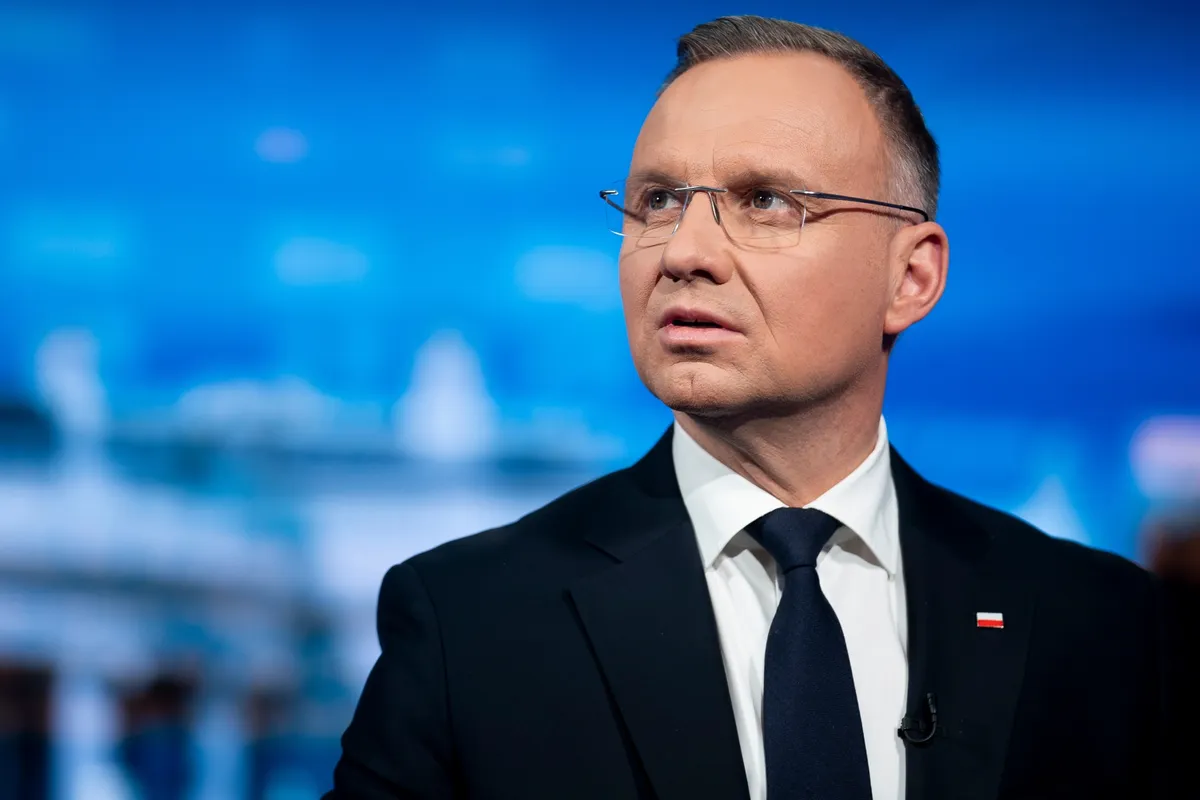


In a move that sets the stage for a pivotal political showdown, Poland has announced that its presidential election will take place on May 18, with a potential run-off on June 1 if no candidate secures more than 50% of the vote. The decision, made by Parliament Speaker Szymon Holownia, highlights the stakes for both the ruling alliance and the nationalist opposition vying for control of the crucial role.
For Prime Minister Donald Tusk and his government, the election represents an opportunity to secure a key ally in the presidential palace. With ambitions to continue reforms aimed at restoring the rule of law following years of nationalist governance, Tusk seeks a candidate who can work in tandem with his administration to drive significant changes. The current President Andrzej Duda, aligned with the former Law & Justice party, has been a barrier to these reforms, using his veto power and influence over judicial appointments to impede progress.
The forthcoming race will see Warsaw Mayor Rafal Trzaskowski, carrying the banner of Tusk's Civic Platform, facing off against the relatively unknown historian Karol Nawrocki, representing the opposition Law & Justice party. Nawrocki, the 41-year-old leader of Poland's Institute for National Remembrance, enters the political arena as a challenger to Trzaskowski, who is currently the frontrunner in the polls.
Trzaskowski's liberal stance on issues such as women's rights and LGBTQ rights has garnered significant support, positioning him as a strong candidate to seize the presidency. In a recent poll by IBRiS for Polsat broadcaster, Trzaskowski led with 35.7% support, followed by Nawrocki at 26.2% and Holownia at 10.1%. The survey, conducted among 1,000 respondents, underscores the momentum behind Trzaskowski's campaign, building on his close defeat to Duda in the previous presidential election.
As the countdown to the election begins, the political landscape in Poland is set for a crucial juncture, with the future direction of the country hanging in the balance. The choice between continuity under the ruling alliance or a shift towards nationalist policies represented by the opposition adds an extra layer of significance to the upcoming electoral contest.