


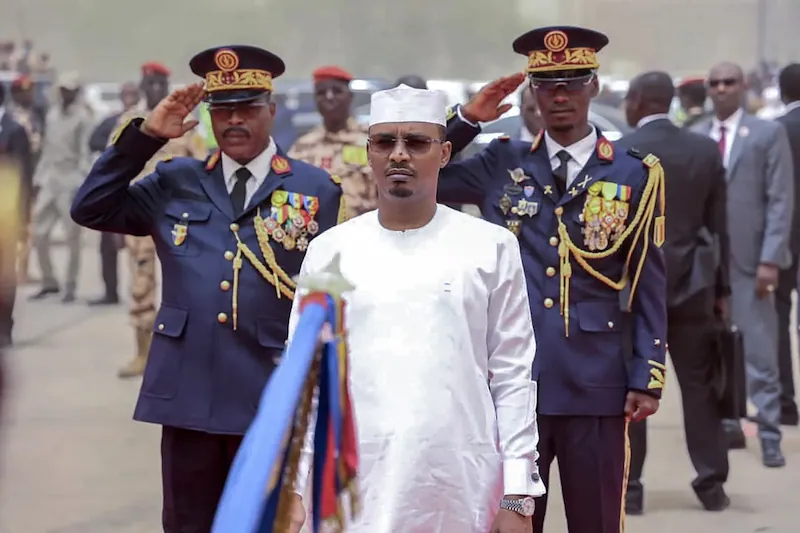


In Chad, the ruling Patriotic Salvation Movement, led by military leader Mahamat Déby, has solidified its influence by securing two-thirds of the seats in the recent parliamentary election. The party, which previously held 83 seats, now claims 124 out of 188 seats in the National Assembly, according to preliminary results disclosed by the tallying commission. Notably, the main opposition, Les Transformateurs party, boycotted the election, raising concerns about the fairness and transparency of the electoral process.
Voter turnout figures are still awaited, with the National Electoral Management Agency yet to provide the data. The outcome of the polls follows a recent incident where the presidential palace in N’Djamena was assaulted, resulting in the loss of 20 lives and several injuries. Initially labeled as a destabilization effort, authorities later attributed the attack to disenchanted young individuals, downplaying its significance as a broader threat to the administration.
Mahamat Déby, son of the late long-term leader Idriss Déby, who held power for thirty years, ascended to the presidency in 2021 following his father's demise. His victory in the presidential elections earlier in the year, aimed at transitioning to civilian governance, drew criticism from figures like former Prime Minister Succès Masra, who accused Déby's government of leveraging the parliamentary election to tighten its grip on authority.
Former Prime Minister Albert Pahimi Padacké's National Rally for Democracy in Chad secured 12 seats, adding to the political landscape post-election. Despite the opposition's absence, the results are anticipated to shape Chad's political landscape moving forward, with debates on the election's legitimacy and implications for the nation's democratic progression likely to ensue.