


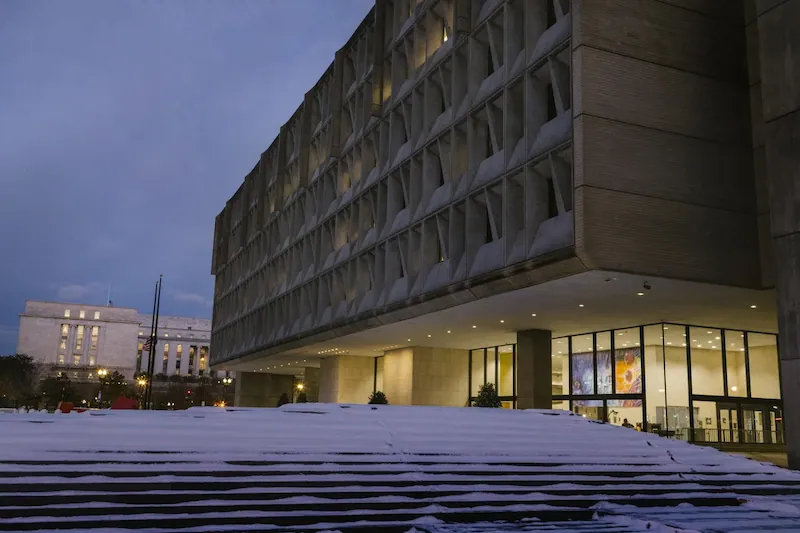


In a concerning move that has left the nation's scientists on edge, the Trump administration has initiated a freeze on various government health communications and activities pending a political review. This directive, outlined in a memo by Dorothy Fink, acting secretary for the Department of Health and Human Services, has put a halt on routine work within federal health agencies until approvals are granted by a presidential appointee. The restrictions encompass a wide range of tasks including issuing regulations and guidance, posting information on social media, releasing press statements, and participating in public engagements, with the freeze expected to last until Feb. 1.
The sudden pause has led to the cancellation of several crucial events, including federal advisory committee meetings and scientific gatherings dedicated to cancer research and vaccine recommendations. Scientists and watchdog groups have expressed deep concern over the potential delays in vital information dissemination and funding for life-saving initiatives that may result from this decision.
Analysts also highlight the adverse impact the freeze could have on biotech companies such as Illumina Inc., a major supplier to the National Institutes of Health (NIH). The restrictions on NIH meetings, travel, and hiring are expected to create a ripple effect in the scientific community, causing confusion, uncertainty, and potential funding setbacks.
With essential scientific meetings being postponed and critical public health communications being put on hold, experts warn of significant consequences on ongoing research efforts. The delay in funding distribution could potentially set these projects back by several months, hampering progress and hindering advancements in crucial areas of study.
While some see the freeze as a normal part of an incoming administration's transition and process establishment, others, including former CDC director Tom Frieden, emphasize the urgency of timely information dissemination, particularly in public health emergencies. The assurance from Joseph Kanter of the Association of State and Territorial Health Officials that a new process will be established swiftly offers a glimmer of hope amidst the current uncertainty.
As the Senate Finance Committee prepares for Robert F. Kennedy Jr.'s confirmation hearing as the nominee for HHS leadership, the fate of these frozen communications and activities is likely to remain in limbo until a new process is established. Scientists, health officials, and the public alike await a resolution to this unsettling situation, hoping for a swift return to routine health communications and activities that are essential for the well-being of the nation.