


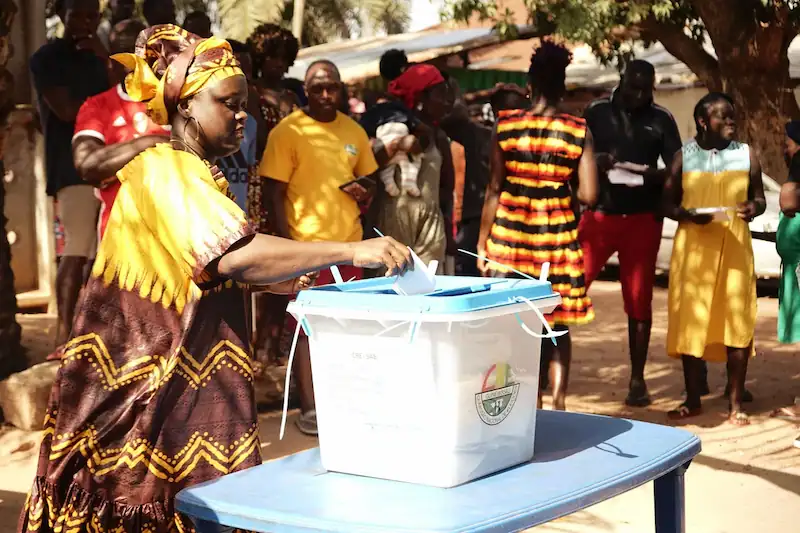


Guinea is set to transition back to democratic rule this year after more than three years of military governance. Prime Minister Amadou Oury Bah confirmed on Wednesday that the return to constitutional order is imminent in 2025 through a series of electoral processes. The country has been under military rule since September 2021 following a coup led by General Mamadi Doumbouya, who overthrew former President Alpha Conde and dissolved the constitution.
To pave the way for the elections, Guinea finalized the drafting of a new constitution in July, which now awaits approval in a referendum. The proposed constitution outlines key changes, reverting the presidential term to five years and limiting presidents to two terms. Additionally, potential candidates for the presidency must be aged between 35 and 80 years.
Notably, the transition charter prohibits current military leaders, including the interim president, junta members, and government officials, from running in the forthcoming elections. General Doumbouya had already stated in 2021 that neither he nor any member of the National Committee for Rally and Development would participate in the electoral process.
Apart from the political transition, Guinea's rich natural resources continue to attract attention. In addition to being the world's largest bauxite exporter, the nation is also home to vast untapped iron-ore reserves. Major companies like Rio Tinto Plc and Winning Consortium Simandou are gearing up to commence iron-ore production by the end of the year. As Guinea navigates this pivotal moment, the upcoming elections signal a significant step towards restoring democratic governance in the West African nation.