


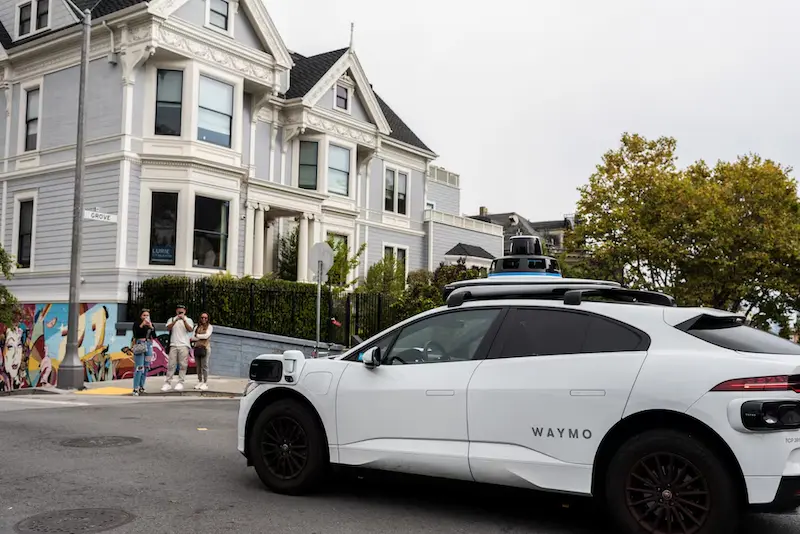


In a rapidly evolving landscape of autonomous vehicles, Alphabet's Waymo is considering the possibility of offering its self-driving taxis for personal ownership in the future, CEO Sundar Pichai indicated. This development comes amidst competing plans from electric vehicle giant Tesla to launch its own robotaxi service this year in the U.S.
Waymo, which emerged from a small project within Google in 2009 and has since become a leading name in the autonomous vehicle sector, has steadily expanded its fleet to over 700 vehicles, with a significant presence in San Francisco. As the only U.S. firm operating driverless robotaxis for commercial purposes, Waymo's focus on safety and reliability sets it apart in a market fraught with challenges.
Pichai's remarks on the potential for personal ownership of Waymo vehicles signify a future direction for the company, although specific details and timelines remain undisclosed. This move contrasts with Tesla's approach, which relies primarily on camera vision and AI for its vehicles, enabling cost efficiency but potentially raising safety concerns compared to Waymo's sensor-rich technological setup.
The rivalry between Waymo and Tesla comes into sharper focus as Tesla CEO Elon Musk highlights the cost disparity between the two companies’ vehicles and emphasizes Tesla's ambitious robotaxi plans. Musk envisions a future where Tesla owners can earn money by offering their vehicles on a ride-hailing platform, underlining the pivotal role robotaxis play in Tesla's strategic vision.
As Tesla gears up to launch its robotaxi service in multiple states, Waymo is forging ahead with partnerships with industry players like Uber, Moove, and automakers such as Hyundai, Zeekr, and Jaguar. These collaborations are part of Waymo's strategy to leverage its expertise and technology in expanding its presence in the autonomous vehicle market.
Both companies face challenges in the autonomous vehicle space, with Tesla under scrutiny for accidents involving its Autopilot and Full Self-Driving systems, and Waymo navigating the complexities of regulations and technological hurdles. Despite the obstacles, both companies are driving innovation in the self-driving vehicle sector and shaping the future of mobility and transportation.