


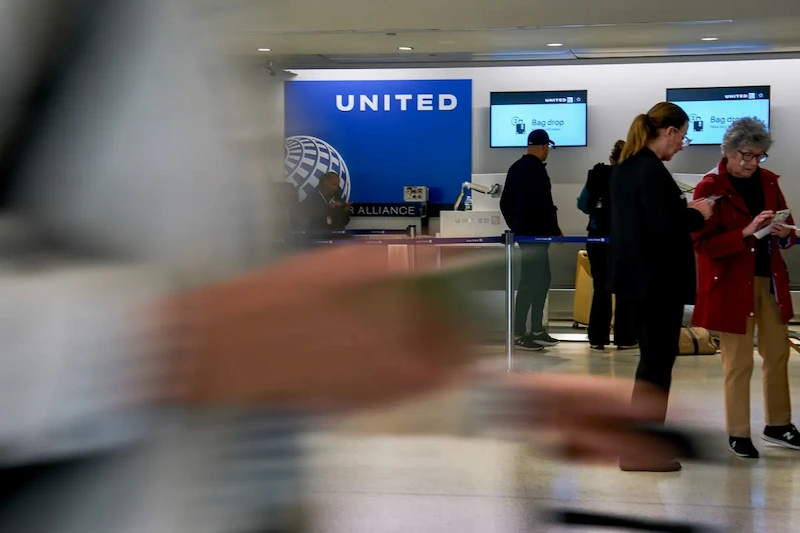


In an effort to address mounting safety concerns and operational challenges at Newark Liberty International Airport, airline chief executives are teaming up with US aviation officials to implement significant reductions in flight operations. This move, aimed at easing short-term disruptions, reflects a collaborative approach to a long-standing issue within the air-traffic system.
Following a series of radar failures at a critical facility guiding planes into Newark, the Federal Aviation Administration (FAA) has called for talks with airline officials to propose limiting total operations at the airport to no more than 56 per hour. This decision comes amidst a backdrop of outdated technology and staffing shortages that have plagued the aviation industry for years.
Leading this charge is Scott Kirby, CEO of United Airlines Holdings Inc., which operates the majority of flights at Newark. Kirby has been vocal about the challenges faced at the airport, pointing to air traffic controller shortages and aging infrastructure. The recent incidents, including a 90-second outage at the Philadelphia air-traffic control facility, have resulted in widespread disruptions for United customers.
In response to the turmoil, United has announced voluntary flight reductions, with over 226,500 passengers already affected by cancellations, delays, and diversions. The airline is strategically adjusting its operations to minimize disruptions while facing potential revenue losses, estimated at $90 million for the second quarter.
Newark holds significant importance for United as its largest international hub and a key link in its network. The ongoing air traffic control issues raise questions about the carrier's operations at the airport, as well as its relationship with other key hubs like John F. Kennedy International Airport.
Kirby's push for FAA action aligns with efforts by Transportation Secretary Sean Duffy to modernize the air traffic system. The proposal, requiring substantial funding, aims to revamp the nation's air traffic infrastructure with advanced technologies over the next three years.
As the industry grapples with declining demand and operational challenges, airlines like United are navigating complex decisions to ensure passenger safety and efficient operations. Kirby's stance on the FAA's role in improving air traffic control while maintaining a collaborative approach with the administration showcases a fine balance between industry advocacy and public safety concerns.
Amid calls for immediate action from legislators like Chuck Schumer, the industry faces a critical juncture in addressing systemic issues to ensure the stability and safety of air travel across the nation.