


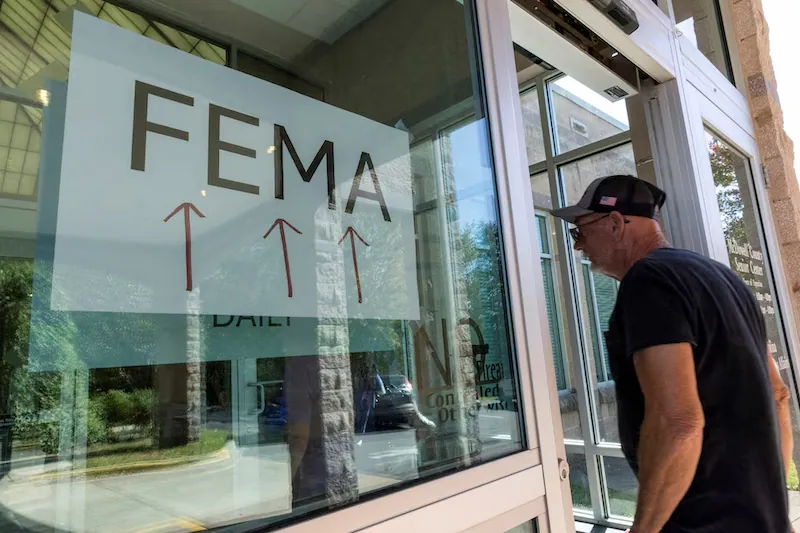


As the 2025 Atlantic hurricane season looms, concerns are mounting over the reduction in training for state and local emergency managers undertaken by the U.S. Federal Emergency Management Agency (FEMA). Reports indicate that FEMA has significantly scaled back its training programs for emergency managers, potentially leaving storm-vulnerable communities ill-prepared to handle the aftermath of hurricanes.
With forecasters predicting an above-average hurricane season with 17 named tropical storms and nine hurricanes, the lack of federal training support could have severe implications for readiness and response efforts. Former FEMA head Deanne Criswell emphasized the importance of keeping emergency managers informed about the latest tools and resources to effectively prepare for and respond to incoming storms.
The training cutbacks come as a result of the significant reduction in FEMA staff, with about a third of full-time employees being let go or opting for incentives to quit since President Donald Trump's administration. The direction to downsize FEMA and shift its functions to the states has led to a decrease in in-person workshops and presentations typically conducted by FEMA's National Hurricane Program and the National Hurricane Center. These sessions play a crucial role in sharing updated data on hurricane modeling, enhancing coordination between federal, state, and local officials, and reviewing disaster preparedness measures.
Despite the move to online training sessions, emergency management officials in hurricane-prone states like North Carolina and Louisiana reassured that they have FEMA-certified trainers capable of leading in-person training. However, the effectiveness of virtual training compared to in-person sessions remains a concern, as highlighted by Steve Still, the emergency manager for New Hanover County in North Carolina.
In addition to training cutbacks, FEMA has imposed travel restrictions on its staff since February, barring non-disaster-related travel and requiring approval for speaking engagements. This has led to the cancellation of some training sessions and presentations, with few speaking requests being approved. The restriction even impacted key events like April's National Hurricane Conference, where FEMA-led sessions providing critical evacuation guidance had to be canceled due to staff unavailability.
John Wilson, chairman of the National Hurricane Conference, expressed dismay over the absence of key figures like the director of the National Hurricane Center at the event due to travel restrictions. Concerns have been raised by Lynn Budd, president of the National Emergency Management Association, about the need for additional resources to compensate for the diminishing FEMA support.
Overall, the lack of training sessions and reduced federal support raise concerns about the readiness of state and local emergency managers in dealing with the upcoming hurricane season. With critical information and new forecasting data typically disseminated during these training events, the absence of these resources could leave communities vulnerable to inadequate advice and response strategies as they brace for potentially devastating storms.