


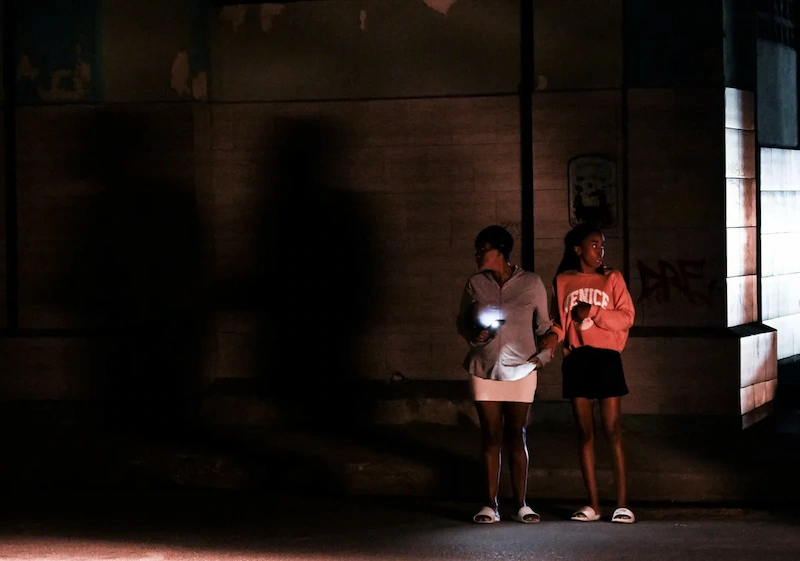


In response to a shortage of cooking gas in Cuba, the country is facing a deepening energy crisis that is leading to unprecedented spikes in electricity demand. President Miguel Diaz-Canel addressed the nation, highlighting that electricity consumption has surged to over 3,500 megawatts at certain times, far exceeding the island's capacity of 1,935 megawatts. This surge is primarily driven by a 200-250 megawatt increase in demand due to the lack of cooking fuel, as confirmed by Minister of Energy and Mines Vicente de O Levy.
The Cuban government has made solving the electricity generation problems a top priority, acknowledging the severe challenges that the socialist state is facing. Despite efforts to alleviate the fuel crunch by inaugurating 13 solar parks and adding 100 megawatts to the grid, the increase in demand has outweighed the improvements, resulting in ongoing blackouts across the country.
Moreover, Minister Levy expressed concerns about certain sectors of the economy, particularly in Havana, not adhering to energy rationing plans, exacerbating the situation further. The longstanding issue of rolling blackouts in Cuba has been attributed to aging infrastructure and fuel shortages, with the government pointing fingers at US financial sanctions as a significant factor.
The energy crisis, coupled with food shortages, has stirred discontent among the Cuban population, leading to rare public protests in a country where dissent is prohibited. As Cuba grapples with the compounding challenges of electricity shortages and rationing, the government is striving to address the crisis and mitigate its impacts on the daily lives of its citizens.