


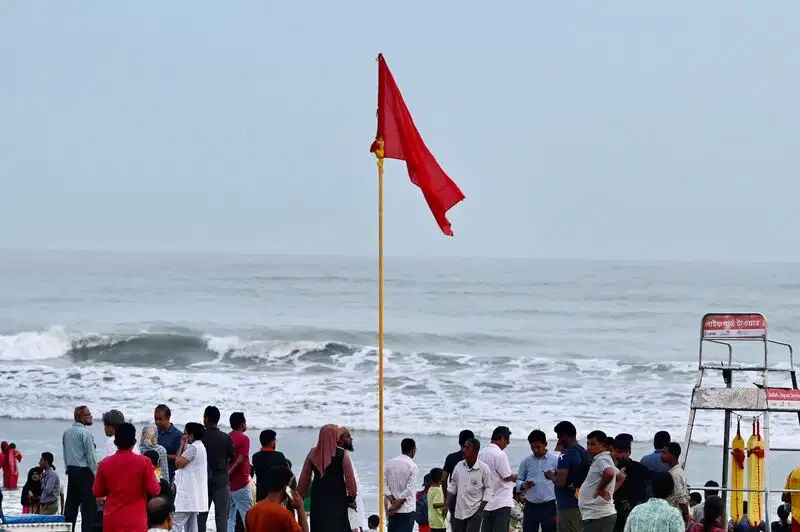


Bangladesh and Myanmar have issued evacuation orders for hundreds of thousands of people as they prepare for the arrival of Cyclone Mocha, a severe storm set to hit the region on Sunday. With wind speeds predicted to reach up to 210 kilometers per hour, the storm is equivalent to a category 4 hurricane and has the potential to cause widespread destruction, particularly in vulnerable areas. The storm is expected to cut across an area in Bangladesh that is home to the world's largest refugee camp, which houses around one million Rohingyas.
According to the World Meteorological Organization, the cyclone could lead to heavy rain, flooding, and landslides, putting "hundreds of thousands of the world's most vulnerable people" at risk. This includes the Rohingya refugees in Bangladesh and six million people in need of humanitarian assistance in Myanmar's Rakhine state. While storms in the region are common at this time of year, Cyclone Mocha comes at a time of increased concern over extreme weather, following severe heatwaves in parts of Asia in April and May. With climate change and the potential for El Nino conditions to shift weather patterns, extreme weather events could become more frequent or intense.
The ability of governments to respond to such threats is critical. Myanmar's worst natural disaster, Cyclone Nargis, occurred in May 2008, killing more than 140,000 people and affecting the lives of 2.4 million more. The country's ongoing civil war has intensified since the military coup in 2021, leading to the displacement of over a million people, particularly the Rohingya. The ruling junta has ordered the evacuation of around one million people in seven townships in Rakhine State, but many more across the country are likely to be affected.
The country's meteorological office has raised its alert warning for the cyclone to red, the highest level, and advised those living in western coastal areas to evacuate as soon as possible. The junta has also banned fishing and entry to beaches and coastal areas across the entire nation. In Bangladesh, around 500,000 people in coastal districts are being evacuated, with authorities warning that low-lying areas in some coastal districts and offshore islands are likely to be inundated with up to 12 feet of tidal surges above normal levels. The government has also asked farmers to harvest rice crops immediately and suspended a scheduled public exam for two million secondary school students on Sunday.