


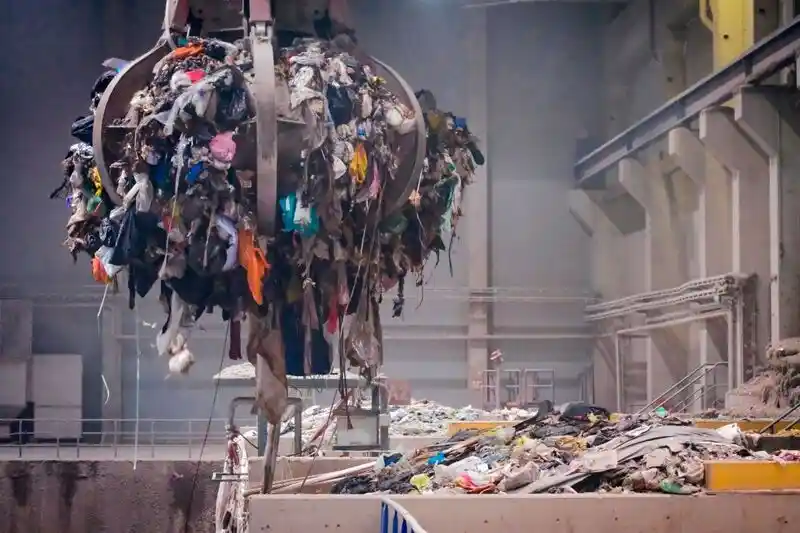


According to a report released by the European Commission on Thursday, 19 out of 27 European Union countries are at risk of missing the target to recycle 50% of plastics by 2025. This worrying statistic includes countries such as Austria, Finland, and France. Although the report did not state the current plastic recycling rate, plastic is recognized as one of the worst pollutants for biospheres and marine habitats.
The EU is currently working to revise its approach towards packaging waste, as last year saw an increase in waste production, with 80 million tons being produced. These changes involve increasing the recycling of products such as beer bottles. However, some member states have shown resistance to this, further delaying the passing of these rules before elections in the coming year. This pressure comes as the EU is heavily criticized for its environmental and climate policies.
With the recycling rate for all packaging falling below the EU's target for 2025, reaching only 64% in 2020, according to the report, the Covid-19 pandemic has had additional impacts on disposable waste consumption. Sweden was among the countries identified as being at risk of missing a 55% recycling target for municipal waste disposal in the coming two years. Nearly a third of this waste is biowaste, which could be used as a fertilizer or biogas.
Unfortunately, some eastern European countries are still using landfills for more than 50% of their waste disposal, which is recognized as the most hazardous way of dealing with waste. There are also currently 13 states that are far off the target of disposing of a maximum of 10% of municipal waste in landfills by 2035.
"We still have growing volumes of waste, which is incinerated or burnt. That's the worst that can happen," stated Virginijus Sinkevicius, the EU's Environment Commissioner," in an interview earlier this week.
Overall, the progress being made in recycling waste across the EU appears to be stalling, particularly with regards to plastic and municipal waste. Further steps need to be taken to ensure that the EU reaches its targets in the coming years.