


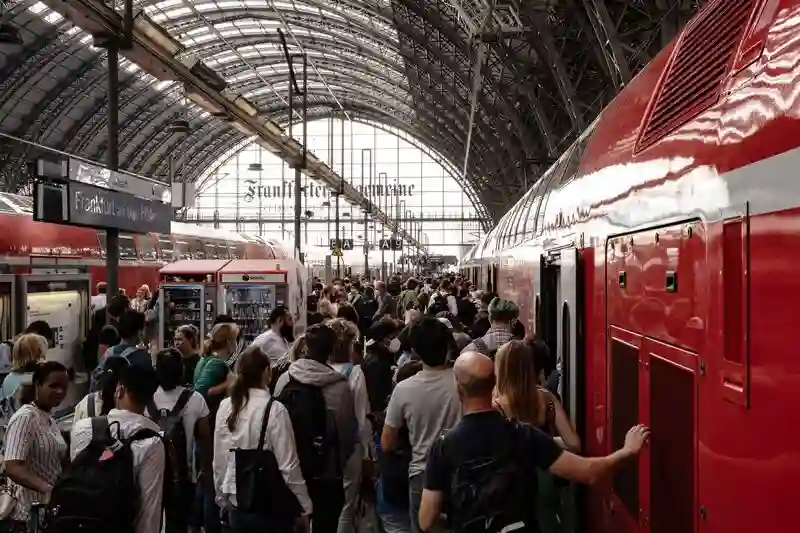


Germany's introduction of ultra-cheap public transport last summer is expected to impact the country's upcoming inflation readings, thereby causing concerns for the European Central Bank (ECB). Last year, the monthly ticket priced at €9 ($9.90) was available from June to August and provided citizens burdened by rising energy costs with unlimited travel on regional buses, trains, and trams. Due to its popularity, it was made a permanent feature this year, albeit with a price increase to €49, which is substantial.
The discrepancy in cost is significant, and Bloomberg Economics believes that as a result, Germany's annual inflation could rise to 7% this month, up from 6.3% in May. This effect will be felt beyond the borders of Germany and could add around 0.2% to euro-area price gains for June, while also exerting upward pressure on a measure of underlying inflation through August. This could put a stop to any hopes of a pause in the ECB's interest-rate increase campaign, which some officials believe can only occur after there is a clear and significant decline in core price growth. However, the milestone seems far off in Germany, specifically.
Martin Ademmer, an economist with Bloomberg Economics in Frankfurt, stated that "The June reading might mark the peak for headline inflation in the remainder of the year, In contrast, core inflation is likely to reach new record highs this summer, keeping the ECB on edge." The German statistics office is expected to publish its next inflation report on June 29th, while the Euro-zone data will be released on the following day.