


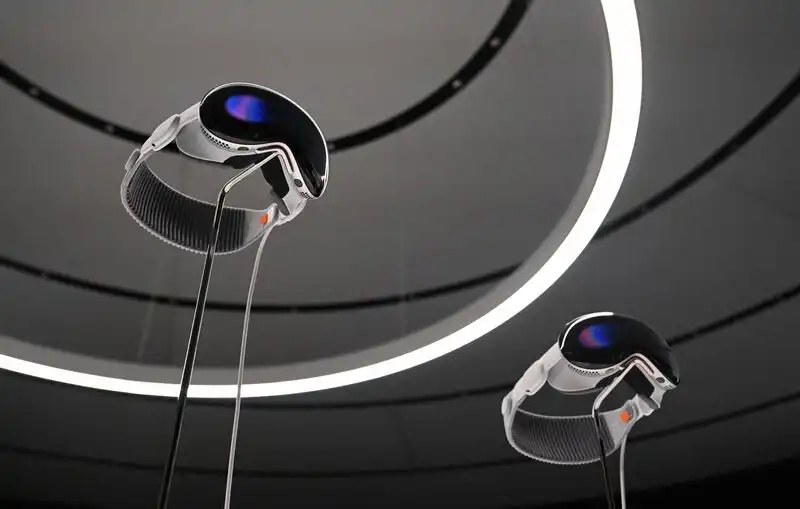


Apple's Vision Pro headset, a highly anticipated mixed-reality device, is not expected to have the same immediate impact on Apple's business as previous product launches. Unlike the iPod, iPhone, and iPad, which quickly became revenue contributors for the company, the Vision Pro headset will take much longer to gain widespread popularity - if it ever does.
When the iPod was introduced in 2001, it took three years for it to become a significant part of Apple's sales, accounting for 16% of the company's revenue. By 2007, the iPhone's debut year, the iPod generated nearly 40% of Apple's annual sales, amounting to around $8 billion. The iPhone, with its initial concerns about pricing and exclusivity, managed to sell 1 million units in less than three months and 10 million units in its first year, becoming a major revenue generator for Apple. Similarly, the iPad saw instant success, generating nearly $20 billion in revenue within a year of its launch.
In contrast, the Vision Pro headset is expected to have a slower ramp-up. With its hefty price tag - starting at $3,700 - and limited availability initially only in the US, it will take time for the device to reach a wider audience. International expansion is not expected until several months after the US launch, potentially not until 2025. Moreover, the headset poses unique challenges, such as its weight and the need for an external battery. Convincing consumers to embrace wearing a computer on their face will likely be no easy task.
Apple had initially set ambitious sales targets for the Vision Pro headset, but those estimates have significantly decreased over time. It is now projected that Apple may sell anywhere from 400,000 to 500,000 units in the first year, resulting in around $1.5 billion in revenue. To achieve the same level of success as the iPad, the headset category would need to grow approximately 20 times, reaching around 8 million units annually. Given its limitations and price, this seems unlikely to happen in the foreseeable future.
Apple plans a strategic launch for the Vision Pro headset, following a similar approach used for the Apple Watch. The company will require customers to make appointments for in-store purchases, and a face scanning app will aid in finding the appropriate accessories. Apple will also gradually introduce dedicated Vision Pro experience areas in its retail stores. However, the international rollout is expected to be delayed until the end of the year, with countries like Canada and the UK being considered. France, Australia, Korea, Japan, Hong Kong, and mainland China are also part of the expansion plans.
In other Apple-related news, the company recently released the third betas of its upcoming software updates, including iOS 17, iPadOS 17, watchOS 10, and macOS Sonoma. While there aren't any major changes in these updates, they appear more refined and polished. This aligns with the anticipation of the upcoming iPhone 15 and new Apple Watches, set to be introduced in approximately two months.
One question that remains is whether iPadOS will follow its trajectory from last year and be released in October, or if it will return to its previous schedule and be launched alongside iOS in September. As the release dates draw nearer, Apple enthusiasts eagerly await more details and innovative features from the tech giant.