


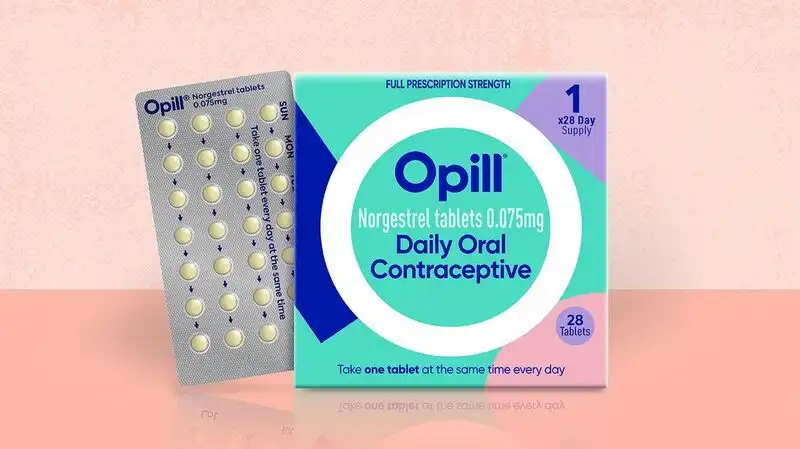


US regulators have granted approval for the first over-the-counter contraceptive pill, marking a significant advancement in reproductive health and increasing access to birth control. Perrigo Co.'s Opill has received clearance from the US Food and Drug Administration (FDA), eliminating the need for a prescription and removing barriers to obtaining oral contraception. This development comes at a time when reproductive rights are being widely debated and challenged.
In recent years, birth control and reproductive health have become prominent topics on the legislative and political agenda. The Roe v. Wade ruling, which guaranteed the constitutional right to abortion for nearly five decades, was overturned by the Supreme Court, leading to heightened scrutiny and activism. President Joe Biden has made reproductive rights a key priority, highlighting the extreme positions held by Republicans on abortion and contraception.
Doctors and advocacy groups have praised the FDA's decision to make Opill available over the counter. The American Medical Association has urged regulators to consider applications for other oral contraceptives to also be available without a prescription. Planned Parenthood Federation of America's CEO, Alexis McGill Johnson, emphasized that access to birth control is essential healthcare, and removing unnecessary barriers is a positive step forward.
Opill has been available with a prescription in the US since 1973, but reproductive rights advocates have long argued for it to be accessible over the counter, similar to more than 100 countries worldwide. This non-prescription version has the potential to enable women to easily access birth control without facing potential gatekeepers, such as doctors or parents.
Perrigo expects Opill to be available for purchase over the counter by early 2024. While the specific pricing details have yet to be announced, Perrigo has stated its commitment to making the drug affordable. The company is looking into creating a program that would provide the pill free of charge to some individuals. The affordability of the drug will be a crucial factor in ensuring widespread accessibility.
In the United States, nearly half of the 6.1 million annual pregnancies are unintended, according to the FDA. Providing easier access to birth control can help reduce the number of unintended pregnancies, ensuring better prenatal care and lowering the risk of adverse health outcomes for both parents and children. However, it is important to note that Opill is not recommended for certain individuals with medical conditions such as breast cancer or liver disease. Additionally, it should not be used in conjunction with other hormonal birth control products.
The next steps involve getting Opill listed with private insurers and Medicaid. While prescription birth control is typically covered by insurance, there is no such mandate for over-the-counter versions. Advocates have emphasized the importance of insurance coverage for making the drug more accessible.
The FDA's approval of over-the-counter birth control aligns with President Biden's executive order to promote increased access to contraception. Health and Human Services Secretary Xavier Becerra has applauded the milestone, recognizing that this approval will lower long-standing barriers to healthcare for women. The White House has not yet commented on the FDA decision, but the focus on reproductive health and increased accessibility remains a priority for the administration.