


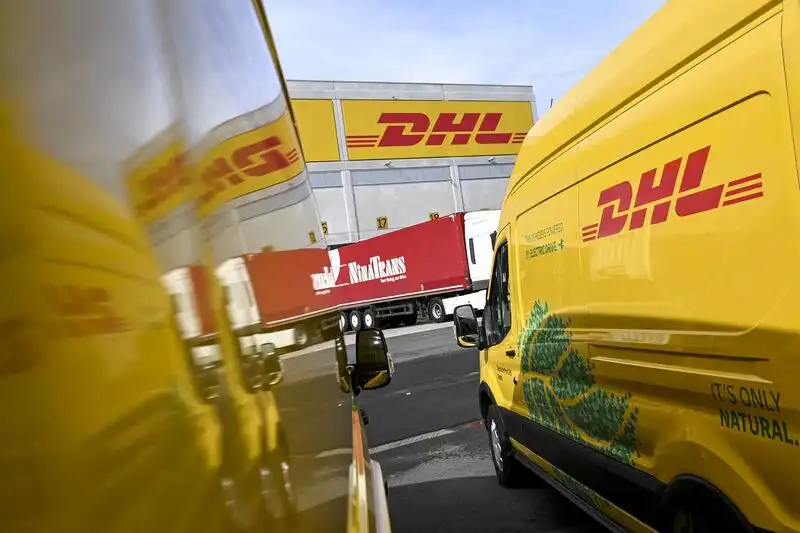


DHL Express, one of the world's largest logistics companies, has taken a significant step towards decarbonizing its operations by installing 415 electric-vehicle (EV) charging ports across the United States. In collaboration with PowerFlex Systems Inc., DHL aims to electrify its fleet of bright yellow delivery vans and reduce its carbon footprint. This move aligns with the ambitious sustainability goals set by DHL's parent company, Deutsche Post DHL Group, to achieve net-zero emissions from its logistics operations by 2050.
PowerFlex Systems, based in San Diego, specializes in the installation and coordination of solar arrays, batteries, and EV chargers for corporate clients. Unlike public EV charging networks that focus on high-speed chargers, PowerFlex recommended DHL utilize "level 2" chargers for this project. These slower chargers not only cost significantly less, with an installation price ranging from $6000 to $8000 each, but also alleviate strain on the electrical grid.
Raphael Declercq, the CEO of PowerFlex, emphasizes the critical nature of this project and its impact on DHL's operations. While many corporate charging deployments serve as a perk for employees, ensuring the seamless functioning of the charging infrastructure for a logistics giant like DHL is paramount. The success of their delivery operations directly relies on having sufficient energy to power all their vans throughout the day.
PowerFlex, majority-owned by EDF Renewables North America, a subsidiary of Electricite de France SA, is well-equipped to support DHL in its transition to electric mobility. By leveraging their expertise in renewable energy and charging infrastructure, PowerFlex aims to facilitate the widespread adoption of electric vehicles and contribute to the global decarbonization efforts. This collaboration between DHL and PowerFlex signifies another significant milestone in the logistics industry's journey towards a sustainable future, one powered by clean and efficient transportation solutions.