




Obesity is a widespread health issue that affects billions worldwide. Traditional approaches to weight loss, such as dieting and exercise, often yield limited results, leaving many people searching for more effective solutions. The emergence of a new class of medications, known as glucagon-like peptide 1 receptor agonists, has brought hope to those struggling with weight management. These drugs, originally developed for Type 2 diabetes, work by mimicking a hormone called GLP-1, which helps regulate appetite and increase feelings of satiety.
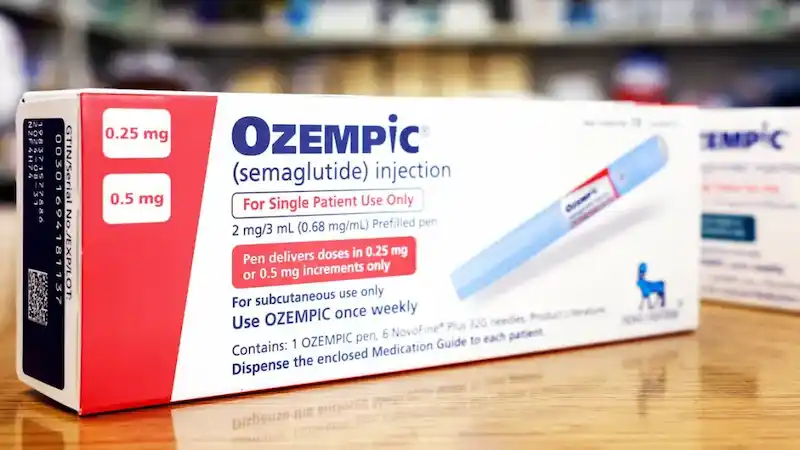
Currently, there are two GLP-1 injections approved for obesity treatment in the US: Saxenda and Wegovy, both manufactured by Novo Nordisk A/S. Another medication, Mounjaro from Eli Lilly & Co, is currently approved for diabetes, but is expected to undergo regulatory review soon for obesity treatment. Some doctors are even prescribing GLP-1 drugs approved for diabetes, such as Novo Nordisk's Ozempic, as weight-loss medications. The popularity of Ozempic on social media platforms has led to shortages of the drug.
Earlier versions of GLP-1 drugs showed only modest weight loss results when used by diabetes patients. However, newer medications have demonstrated more promising outcomes. Clinical trials have shown that Wegovy and Mounjaro can help patients lose about 15% and 21% of their body weight, respectively. These drugs have also shown positive effects on blood pressure and cholesterol levels. While bariatric surgery remains the most effective method for substantial weight loss, it is accompanied by higher risks and costs compared to medication-based treatments.
In terms of safety, GLP-1 drugs have been used for nearly two decades in the treatment of diabetes, establishing a relatively well-established safety profile. Most side effects reported are mild and include nausea, diarrhea, vomiting, or constipation. However, the long-term effects of these medications for obesity treatment have not been extensively studied.
One limitation of these medications is the potential for weight regain after discontinuation. Studies have shown that individuals who stop taking Wegovy tend to regain a majority of their lost weight. This trend is common among most weight-loss treatments, with dieters often regaining more than 80% of their lost weight within five years.
However, several barriers prevent wider use of these medications for obesity. The main obstacle is the high cost. Wegovy, for instance, comes with a price tag of approximately $1,400 per month in the US. Currently, only a small fraction of privately insured patients have coverage for obesity drugs, and Medicare does not cover these medications at all. Limited insurance coverage and the financial burden make long-term usage of obesity drugs challenging for many individuals.
Despite these challenges, the success of GLP-1 drugs has led to a surge in research and development efforts. Over 50 anti-obesity drugs are currently in clinical development by various companies, with many targeting GLP-1 and other hormones involved in appetite control. The market for anti-obesity drugs, which currently generates around $2.2 billion in annual sales, is projected to grow to over $40 billion globally by 2030.
Overall, while GLP-1 medications show promise in helping individuals with weight loss, there are still significant hurdles to overcome. The high cost, limited insurance coverage, potential side effects, and the challenge of long-term use pose obstacles to widespread access. However, ongoing research and the expanding pipeline of new drugs offer hope for more effective and accessible options in the future.