


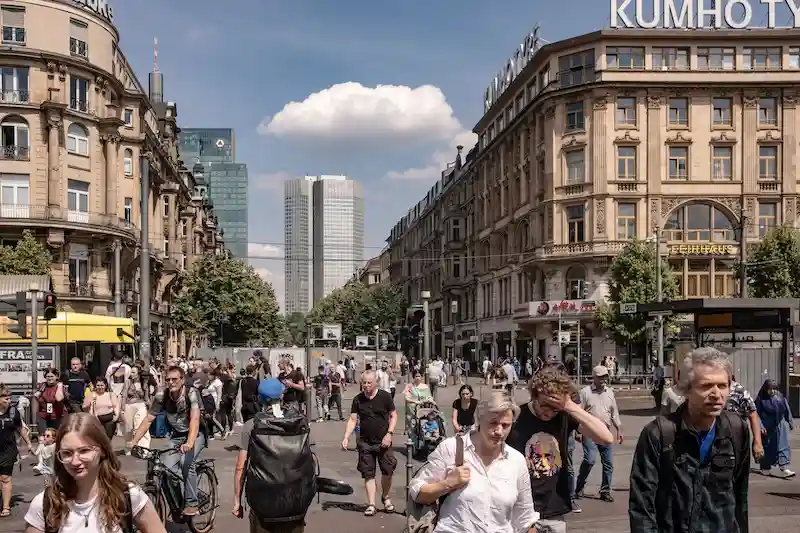


Germany is facing the consequences of the increasingly high temperatures and extreme heat that have become the new norm in the country. Unlike many countries, only a small percentage of German households have air conditioning, leaving a large portion of the population vulnerable to heat-related health issues. With the majority of the population being over 60 years old, the risk of heat-related illness and deaths is even higher. The country is coming to terms with the reality of these escalating temperatures, as the effects have already been devastating. This year alone, approximately 1,600 people have lost their lives as a result of the heat. In 2022, Germany witnessed the third-highest number of heat-related deaths in Europe, following Italy and Spain.
One of the major challenges Germany is facing is water scarcity. After years of drought, several regions are struggling to ensure an adequate water supply for households, industries, and agriculture. In Hanover, for example, residents who water their lawns during hot summer days may face staggering fines. The lack of preparedness for such extreme conditions is a clear indication that Germany was caught off-guard by the mounting heat.
The situation is predicted to worsen as scientists forecast even higher temperatures in the future. By the middle of this century, Frankfurt's climate is projected to resemble present-day Toulouse, while Berlin will resemble central Italy by the end of the century. These changes challenge the very infrastructure and urban planning of German cities, as they were not designed to handle such extreme heat. Concrete-covered central squares, densely built glazed buildings, and a scarcity of trees exacerbate the heat-related problems.
Recognizing the urgent need for action, the German government recently passed a law to enhance the resilience of city infrastructures. The law includes provisions for designing new buildings and retrofitting old ones to combat the effects of climate change. Municipalities are now required to assess the potential impact of climate change and consider adaptation strategies. However, specific details on implementing these plans are still unclear.
On a local level, officials in German urban areas are exploring various strategies to cool their cities. Initiatives include removing concrete coverings on pedestrian walkways, increasing green spaces, creating shaded areas below buildings, and replacing dark street stones with lighter, heat-reflecting alternatives. Some neighborhoods in Berlin, like Rummelsburger Bucht, have already implemented such measures, with green facades, roofs, and low-concrete areas providing shade and absorbing rainfall.
Mannheim has erected a seven-kilometer green space to improve air quality for this year's Federal Garden Show. The city plans to maintain this "fresh air corridor" after the event concludes in October. Both Frankfurt and Berlin have also introduced subsidies to encourage sustainable projects, such as rooftop gardens and green facades.
The government is also focusing on immediate strategies to protect the population during heatwaves. The Federal Health Ministry has created the nation's first heat protection plan, aiming to reduce heat-related deaths to approximately 4,000. Measures include advising people to stay in the shade and consume light meals. Taking inspiration from France's heat warning system, which has significantly reduced heat-related deaths, Germany hopes to implement an effective system to tackle the rising temperatures.
While air-conditioning and heat pumps may become part of the solution to combat the heat, their negative impact on the environment should be a concern. Therefore, these cooling methods should be considered a last resort and primarily reserved for essential locations such as hospitals, schools, and care facilities. Christine Lemaitre, Executive Director of the German Sustainable Building Council, emphasizes the need for lifestyle changes alongside infrastructure improvements. Suggestions include longer breaks at midday and adjusted working hours, as well as extended operating hours for facilities like open-air swimming pools during the summer. Adapting our lifestyles to the new climate conditions is vital for ensuring the well-being and safety of the population in the face of intensifying heatwaves.