


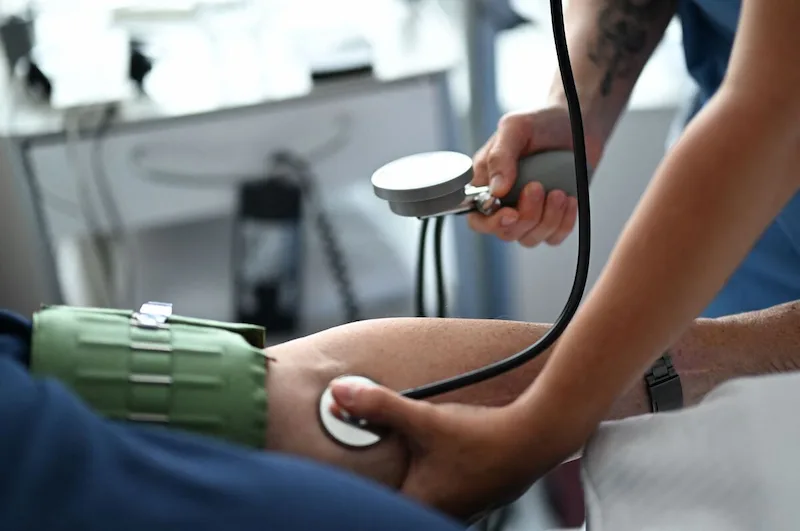


The number of individuals living with high blood pressure has skyrocketed to 1.3 billion over the past three decades, a report from the World Health Organization (WHO) reveals. This alarming statistic highlights the urgent need for better treatment and management of hypertension, as it has the potential to avert approximately 76 million deaths by 2050.
Despite its prevalence, hypertension-control programs have been overlooked, prioritized poorly, and significantly underfunded, according to WHO Director General Tedros Adhanom Ghebreyesus. High blood pressure affects one-third of adults globally and is often referred to as the "silent killer" due to its lack of obvious symptoms. The condition is highly dangerous, as it can lead to strokes, heart attacks, and kidney damage if left untreated.
The most concerning aspect is that nearly half of the individuals living with hypertension are unaware of their condition. Shockingly, a vast majority of these individuals reside in low- and middle-income countries, exacerbating the health inequities faced by the most vulnerable populations.
Simple and cost-effective medicines exist to control high blood pressure effectively. However, the lack of awareness and access to these medications hinders progress in managing this global health crisis. The WHO's report, released during the 78th Session of the United Nations General Assembly, aims to draw attention to the pressing issue and assess progress towards achieving sustainable development goals, such as universal health coverage and combating diseases like tuberculosis.
Efforts must be made to prioritize hypertension control programs and allocate adequate funding to address this growing public health concern. By increasing awareness, improving access to affordable medications, and implementing effective preventive measures, we can work towards reducing the burden of high blood pressure and ultimately save millions of lives.