


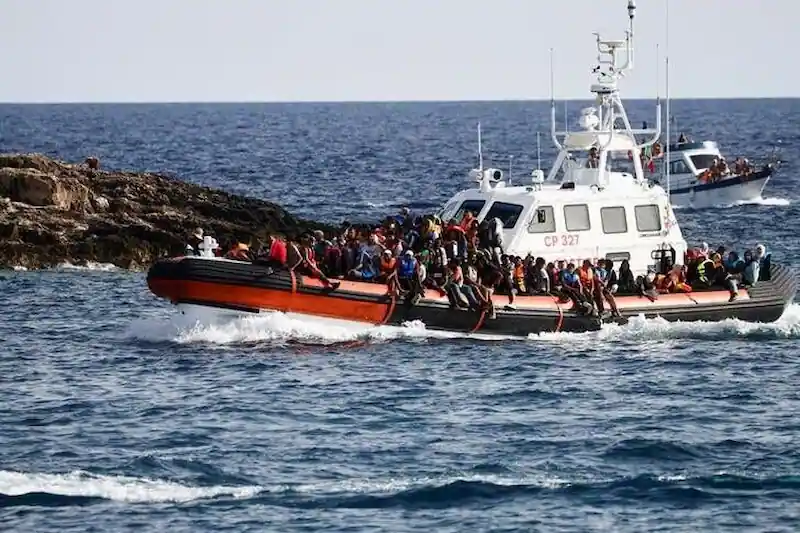


European Union countries took a significant step forward in overhauling their asylum and migration rules by reaching a deal on how to handle irregular immigration during times of exceptionally high arrivals. This development comes ahead of the pan-European election scheduled for next year. Envoys from the EU's 27 member states managed to reach an agreement on Wednesday after resolving the latest dispute between Italy and Germany regarding charity ships rescuing refugees and migrants in the Mediterranean Sea.
The agreement paves the way for further negotiations with the European Parliament, with the aim of establishing a functional migration system before the 2024 European Parliament election that encompasses the 450 million people across the Union. Swedish Migration Minister Maria Malmer Stenergard expressed her satisfaction with the agreement, emphasizing the importance of implementing the pact to ensure order at the EU's external borders and reduce migration flows.
The agreement outlines measures that countries like Italy, which receive a significant number of Mediterranean arrivals, can take to expedite asylum procedures and seek swift assistance from other EU countries, including financial aid and relocations. This move marks a significant effort by the EU to reform its asylum system following the 2015 migrant crisis when over a million people arrived on its shores, overwhelming countries like Greece and Italy.
Diplomatic sources reported that Italy eventually agreed to the deal after certain references to the activities of non-governmental organizations (NGOs) were removed. However, Poland and Hungary, known for their staunch opposition to accepting migrants from the Middle East and Africa, voted against the agreement. Austria, the Czech Republic, and Slovakia, although reluctant, chose to abstain from the voting process. Nevertheless, the majority supported the agreement, enabling its progression.
While the agreement represents progress, there are still many unanswered questions, such as the timeline and implementation process. However, the urgency of the situation prompted EU leaders to push for a deal, especially as irregular migration continues to rise, with increasing arrivals to places like the Italian island of Lampedusa. The failure to seal the agreement last week amid tensions between Rome and Berlin added further pressure to reach a compromise.
Overall, this recent agreement is a significant step forward in the EU's efforts to establish a more effective and comprehensive migration system. By addressing the challenges posed by irregular immigration, the bloc aims to better manage migration flows and enhance border security while respecting the fundamental human rights of those seeking asylum in Europe.