


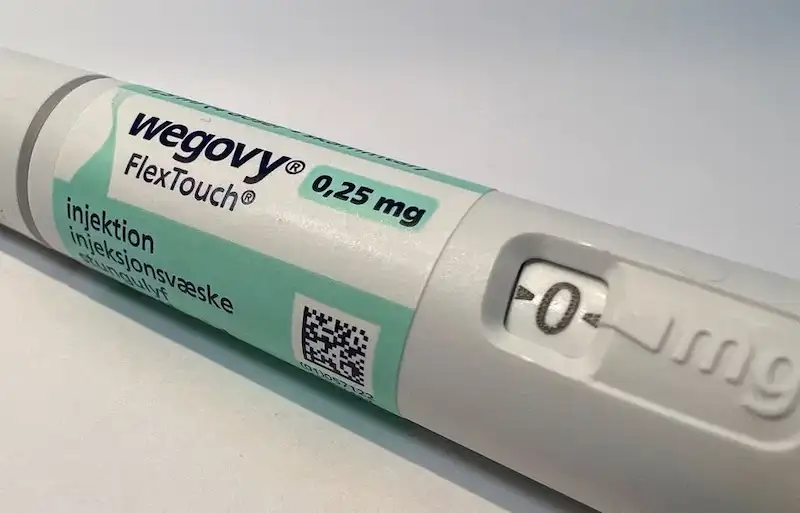


A new class of weight loss drugs is revolutionizing the healthcare system in the United States and could potentially extend to other challenging areas like substance abuse, according to experts at the Reuters Events Total Health conference in Chicago. The U.S. Food and Drug Administration recently approved Eli Lilly's drug tirzepatide, known as Zepbound, for weight loss. This makes it the second obesity drug in the GLP-1s class, following Novo Nordisk's Wegovy. These drugs mimic the action of the GLP-1 hormone to regulate blood sugar, slow digestion, and suppress appetite.
Studies have shown promising results for these drugs in terms of weight loss. Wegovy led to a 15% weight loss over 68 weeks, while Lilly's tirzepatide, which also targets the GIP hormone, demonstrated a weight loss of more than 22% over 72 weeks. These significant findings have paved the way for exploring the use of these drugs in other areas, such as addiction control.
Lawrence Tabak, the principal deputy director at the U.S. National Institutes of Health (NIH), expressed during an interview at the Total Health conference that the approval of these drugs opens up many possibilities. Tabak highlighted the potential for controlling the satiety region of the brain, as well as other regions involved in addiction. While he acknowledged that there is still ongoing research and potential side effects, Tabak emphasized the new opportunities these drugs present for conditions like obesity, metabolism, and addictive behaviors.
Major pharmacy chain Walgreens has observed a significant demand for GLP-1s, signaling that these drugs could indeed transform the way people experience healthcare. John Driscoll, president of U.S. healthcare at Walgreens Boots Alliance, mentioned that while the demand is high, health insurance reimbursement for these medications has not yet caught up. This has resulted in higher prices for consumers, with these drugs having a monthly cost of over $1,000 in the United States.
However, as time progresses, it is expected that the cost of these medications may decrease, making them more accessible for individuals. Additionally, Tabak from the NIH emphasized the potential for lower overall healthcare costs when addressing conditions like obesity. By effectively managing obesity, there can be a reduction in cardiovascular diseases and related conditions, resulting in substantial long-term savings.
While these weight loss drugs have the potential to impact consumer habits, such as snack food purchases, Walgreens has not yet witnessed such changes. However, Driscoll stated that if such shifts occur, it would be seen as beneficial for the population's health, and pharmacies like Walgreens would adapt to meet the changing demands. Overall, the introduction of these medications represents a promising development in healthcare, offering new possibilities not only for weight loss but also for addressing addiction and improving overall well-being.