


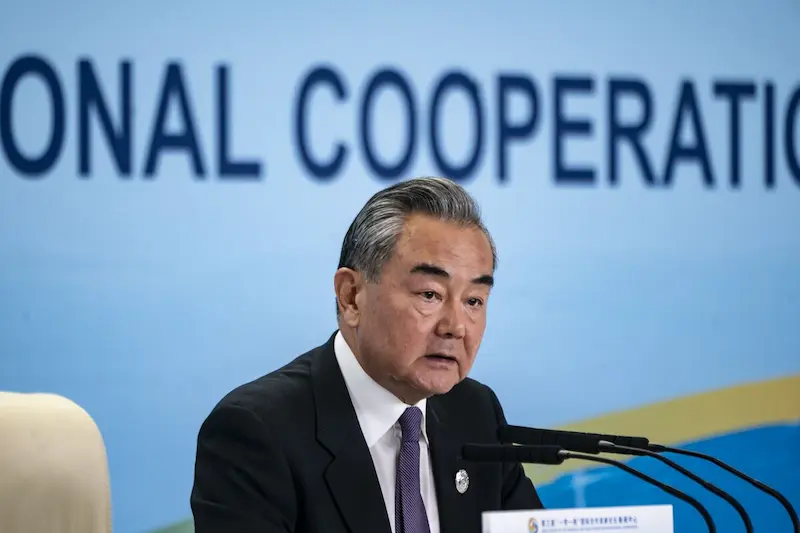


China's Foreign Minister, Wang Yi, has expressed concern over the strained relations between China and the Philippines, calling them "serious difficulties." The tensions have arisen primarily due to the ongoing disputes in the South China Sea. In a phone call with his Philippine counterpart, Enrique Manalo, Wang accused the Philippines of changing its stance, reneging on commitments, and deliberately provoking trouble at sea.
The change in the Philippines' approach towards China's aggression in the South China Sea became evident when President Ferdinand Marcos Jr. took office last year. Marcos discarded his predecessor's non-confrontational approach and called for a revamp in the country's strategy towards Beijing. This shift in stance has only served to exacerbate tensions between the two nations.
The recent escalation in tensions occurred when the Philippines lodged a protest against Chinese ships for ramming Filipino vessels and using water cannons against them. These incidents are part of a series of encounters that have taken place over the past few months, further straining the already fragile relationship between the two countries.
In response to the deteriorating situation, President Marcos announced that the Philippines would seek more military agreements with other nations to enhance their defense capabilities. The country is aiming to build upon its existing defense ties with the United States and Japan. Moreover, the Philippines has initiated talks with France for a potential defense agreement that would allow for troop visits.
China's Foreign Minister made it clear that the country will not hesitate to defend its rights and respond resolutely if the Philippines "miscalculates" the situation or colludes with external forces to cause trouble and chaos. This warning suggests that China is prepared to take necessary actions to protect its interests in the South China Sea.
The strained relations between China and the Philippines are not only a concern for the two countries involved but also for the broader region. The South China Sea is a heavily contested area, with multiple Southeast Asian nations making overlapping territorial claims. Any escalation in tensions could have far-reaching consequences for regional stability and security.
It is crucial for both parties to engage in diplomatic dialogue and find a peaceful resolution to their differences. The international community should also play a significant role in facilitating negotiations and encouraging de-escalation efforts. The South China Sea issue remains a contentious topic, and it is imperative that all parties work towards maintaining peace and stability in the region.