




A recent poll conducted by public opinion firm GBAO for the Washington-based nonprofit organization Pax Sapiens has shed light on the significant role that political change in Venezuela plays in the decision of Venezuelan migrants in the US to return to their homeland. The poll revealed that over 65% of Venezuelans surveyed stated that they would consider going back to their country if the opposition secures victory in the upcoming presidential elections. In stark contrast, only 14% expressed willingness to return if President Nicolás Maduro wins a third term, even in the scenario of a significantly improved economy.
The findings of the poll underscore the strong link between the political landscape and the intentions of Venezuelan migrants to repatriate. While economic stabilization in Venezuela was deemed important by over 58% of respondents as a factor that could prompt their return, a mere 14% indicated that they would consider returning if economic conditions improved while Maduro remained in power. This insight highlights the crucial role that political leadership plays in shaping the aspirations of the Venezuelan diaspora.
The survey, conducted between October 17 and November 14, occurred in the context of news about an agreement between the Maduro government and the opposition to collaborate towards more open and equitable elections this year. Notably, about three quarters of the respondents expressed a preference for opposition leader María Corina Machado, who is currently barred from running for public office by Maduro. This sentiment suggests a clear alignment between the aspirations of the migrants and their choice of leadership for a more democratic Venezuela.
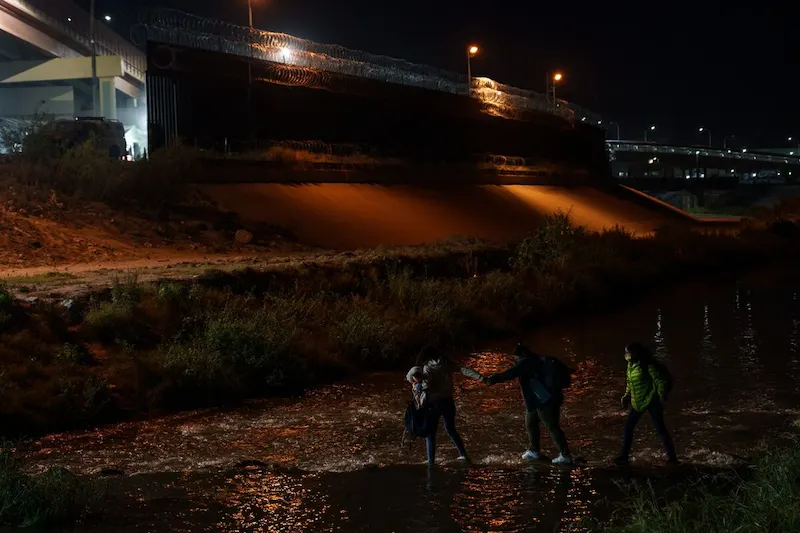
The impact of political developments on migration patterns is not lost on international stakeholders. The United States, which has been grappling with the repercussions of the Venezuelan exodus, engaged in talks with the Maduro administration, resulting in a secret deal that led to the resumption of deportation flights and some sanctions relief. However, the survey results underline that sustainable peace and stability in Venezuela hinge on more than just economic improvements; genuine political change is vital to address the root causes of migration and incentivize the return of Venezuelans to their homeland.
In the absence of significant political change, migration is anticipated to persist, with some analysts predicting another wave of two million Venezuelans leaving the country if Maduro secures reelection. Benigno Alarcon, director of the political studies center at Andres Bello Catholic University in Caracas, emphasizes that without a shift in the political landscape, the cycle of migration is likely to continue, underscoring the urgency of meaningful political reforms to address the ongoing crisis.