


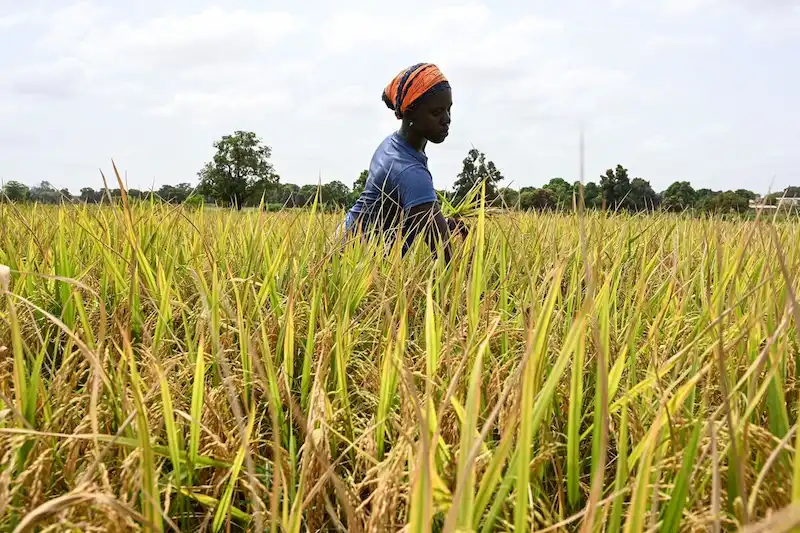


A recent study conducted by the Center for Global Development has shed light on the alarming impact that climate change is set to have on Africa in the coming decades. The study, titled "The Socioeconomic Impact of Climate Change in Developing Countries in The Next Decades," highlights the devastating consequences that are projected to unfold if urgent action is not taken to address this pressing issue. According to the findings, as many as 200 million Africans are at risk of facing severe hunger, crop revenues could plummet by 30%, and the average gross domestic product (GDP) per capita could take a significant hit of 7.1%.
The study underscores how the developing world, particularly Africa, will bear the brunt of the adverse effects of a warming planet. While the report acknowledges that there will be some economic losses until 2050, it warns that the repercussions will escalate significantly beyond that point, with Africa being disproportionately impacted. Philip Kofi Adom, the author of the study and a scholar at South Africa’s University of the Witwatersrand, cautions that failing to tackle the challenges posed by climate change could result in a deepening of socioeconomic problems in developing nations, ultimately eroding the progress made in development over the past few decades.
The grim projections outlined in the study serve as a stark reminder of the urgent need for decisive global action to combat climate change. With Africa poised to experience the worst of the fallout, there is a pressing imperative for governments, policymakers, and international stakeholders to prioritize climate mitigation and adaptation strategies. Failure to do so not only risks exacerbating existing challenges but could also undermine the hard-won gains in development and poverty alleviation that have been achieved in recent years.
In the face of such dire forecasts, it is clear that concerted efforts are required on a global scale to mitigate the impacts of climate change and safeguard the future of vulnerable populations in Africa and beyond. The study's findings should serve as a wake-up call for the international community to redouble its commitments to reducing greenhouse gas emissions, fostering sustainable development practices, and supporting climate resilience measures in the most vulnerable regions. Only through collaborative and proactive efforts can we hope to avert the worst-case scenarios and build a more sustainable and equitable future for all.