


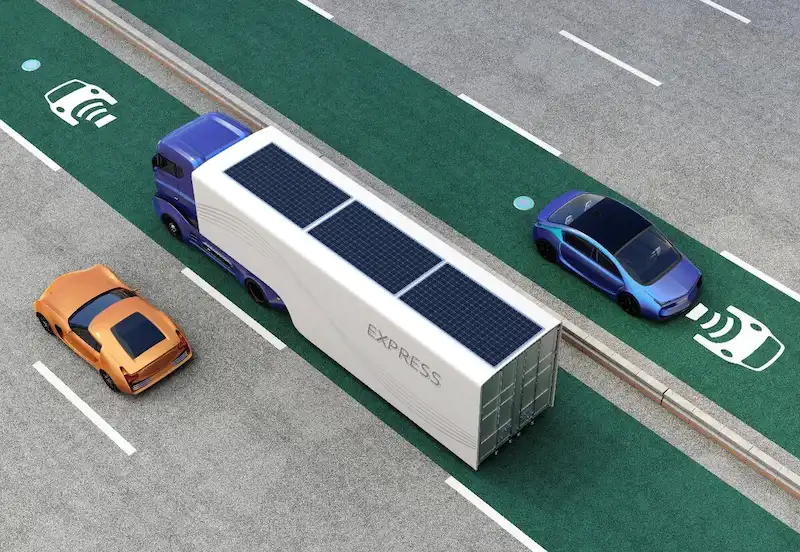


In a bold move to revolutionize the electrification of heavy vehicles in Australia, a groundbreaking new technology is set to be tested on a 1.5-kilometer stretch of road. Spearheaded by a research group from Swinburne University in Melbourne, this initiative aims to embed dynamic wireless charging capabilities directly into the road surface. With an ambitious price tag of A$8.2 million and backed by a significant A$3 million government grant, the project signals a transformative shift in the country’s approach to accelerating the adoption of electric vehicles (EVs).
Leading the charge on this groundbreaking endeavor is Professor Medhi Seyedmahmoudian, an esteemed figure in the realm of new-energy technology research at Swinburne. Collaborating with partners such as Siemens AG, the Royal Melbourne Institute of Technology, and Australian electric-truck manufacturer Sea Electric, the project stands poised to catalyze a monumental shift in the heavy vehicle industry. By leveraging similar successful trials conducted in countries like Sweden and Italy, where wireless-charging roads have demonstrated impressive results, Australia aims to pave the way for an electrified future in transport.
The potential benefits of this wireless charging technology are nothing short of revolutionary. With the capability to wirelessly charge electric trucks on the move, the limitations imposed by range anxiety could be a thing of the past. A particularly crucial development for a country as vast as Australia, where long distances between major cities and remote regions pose formidable challenges for EV adoption, this innovation could be a game-changer for the transportation sector.
Australia’s heavy reliance on road transport, as evidenced by the staggering volume of freight moved by trucks annually, underscores the importance of finding sustainable solutions that reduce emissions and contribute to a greener future. With road vehicles accounting for a significant portion of greenhouse gas emissions in the transportation sector, electrifying heavy vehicles could play a pivotal role in achieving the government’s ambitious emissions reduction targets by 2030.
Moreover, the implications of wireless road charging extend beyond just the convenience of continuous charging for heavy electric vehicles. By potentially enabling manufacturers to downsize EV batteries, the cost of these vehicles could see a significant reduction. This could, in turn, make electric heavy vehicles more economically viable and accessible, further driving the transition towards a sustainable transport ecosystem.
Looking ahead, the Swinburne project also aims to address the need for a seamless integration of EVs with the grid. Seyedmahmoudian emphasizes the importance of upgrading existing electrical systems to accommodate the burgeoning demand for EVs. With the capability for vehicles to not only receive but also discharge energy back to the grid or to other vehicles, wireless charging technology offers a flexible and efficient means of distributing energy that could revolutionize the way we power our vehicles and communities in the future.