


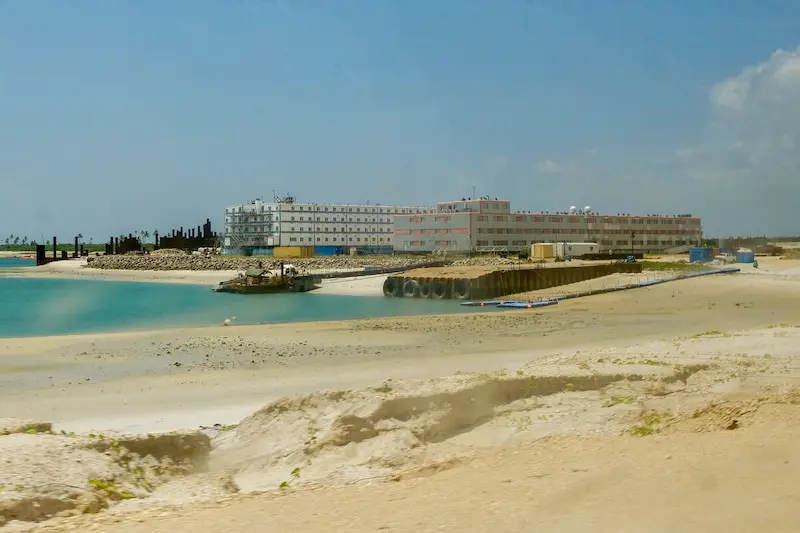


Lenders for the Mozambique liquefied natural gas project led by TotalEnergies SE are carefully considering releasing billions of dollars in funding as the company prepares to resume construction after a three-year hiatus caused by Islamist insurgent attacks. The onshore facility, intended to export the nation’s significant gas discoveries, had initially secured a record project financing in Africa. However, construction was halted in 2021 when militant attacks near the site forced Total to evacuate its personnel and declare force majeure.
The US Export-Import Bank, along with other lenders contributing to the approximately $15 billion debt, are currently conducting assessments on reactivating the financing. TotalEnergies CEO Patrick Pouyanne recently expressed optimism about a mid-year restart, having made progress with suppliers and contractors. This development is a crucial step in reviving a project that had been halted for security reasons, affecting not only the company but also stakeholders and the economy of Mozambique.
The decision to resume financing comes at a time when the Biden administration has halted the approval of new liquefied natural gas export licenses to reassess the climate impact of fossil fuels. The US Eximbank's loan to the Mozambique project was initially provided during the Trump administration, and any potential changes to align with Biden's climate agenda would require congressional action. Balancing economic interests with environmental concerns is a challenge that these lenders must navigate in deciding the fate of the funding.
The security situation in Mozambique adds another layer of complexity to the project. Despite recent gains by armed forces against the Islamist insurgents, sporadic deadly attacks still occur. The resurgence of violence in the region has raised concerns about the safety of the project and the surrounding communities. The need to address these security risks while ensuring the project's viability is crucial for the lenders and stakeholders involved.
Recent attacks in Cabo Delgado have resulted in the forced displacement of over 70,000 people, highlighting the ongoing humanitarian crisis in the region. Export-credit agencies like Atradius Dutch State Business, which has committed $1 billion to the project, are also assessing the situation to determine the viability of releasing funds. The assessments by lenders and agencies are essential to ensure that the financing aligns with both financial considerations and social responsibilities.
In conclusion, the decision on whether to resume funding for the Mozambique LNG project is a pivotal moment that will impact not only the energy sector but also the economic and social fabric of Mozambique. Balancing security concerns, environmental considerations, and financial viability is a complex task that requires a concerted effort from all stakeholders involved. The outcome of these assessments will determine the future of one of Africa's most significant LNG projects and its potential to drive economic growth and development in the region.