


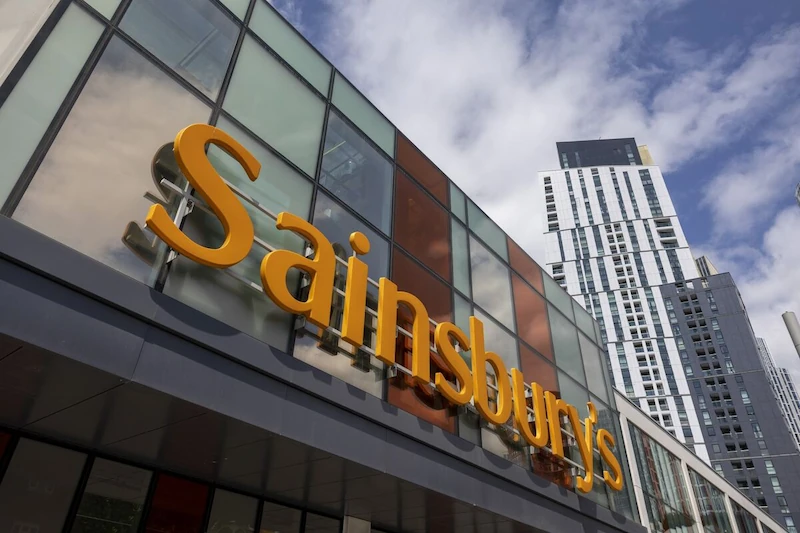


Over the weekend, two leading supermarket chains in the UK, Sainsbury's and Tesco, encountered significant technical disruptions, adding to the growing list of high-profile companies grappling with outages. Sainsbury's, the country's second-largest grocer, faced challenges with contactless payments, leading to the inability to fulfill the majority of online orders for the day. This setback was compounded by issues at its subsidiary, Argos, further complicating operations for the retail giant.
In response to the situation, Sainsbury's CEO Simon Roberts assured customers that all stores remained open for business, accepting chip and pin transactions as well as cash payments while efforts were underway to address the underlying technical issues. The disruption was attributed to an "error with an overnight software update," highlighting the intricate nature of modern retail operations and the potential risks associated with system updates.
On the other hand, Tesco, the largest supermarket chain in the UK, also faced its own set of challenges due to a technical glitch that resulted in the cancellation of some online orders scheduled for delivery. While the majority of online orders were processed as usual, the company acknowledged the impact of the issue on a small number of customers, underscoring the far-reaching consequences of technical disruptions in the digital age.
These incidents follow a recent system outage at McDonald’s, the global fast-food giant, which experienced disruptions in operations across multiple countries due to computer system problems. The interconnected nature of modern commerce underscores the vulnerability of businesses to technical issues, emphasizing the importance of robust IT infrastructure and contingency plans to mitigate such disruptions.
As retailers navigate the complexities of the digital landscape, incidents like these serve as a stark reminder of the fragility of technology-dependent operations and the need for proactive measures to safeguard against potential disruptions in an increasingly interconnected world. The resilience displayed by these companies in addressing and resolving technical challenges underscores the importance of adaptability and responsiveness in mitigating the impact of unforeseen events on business continuity.