


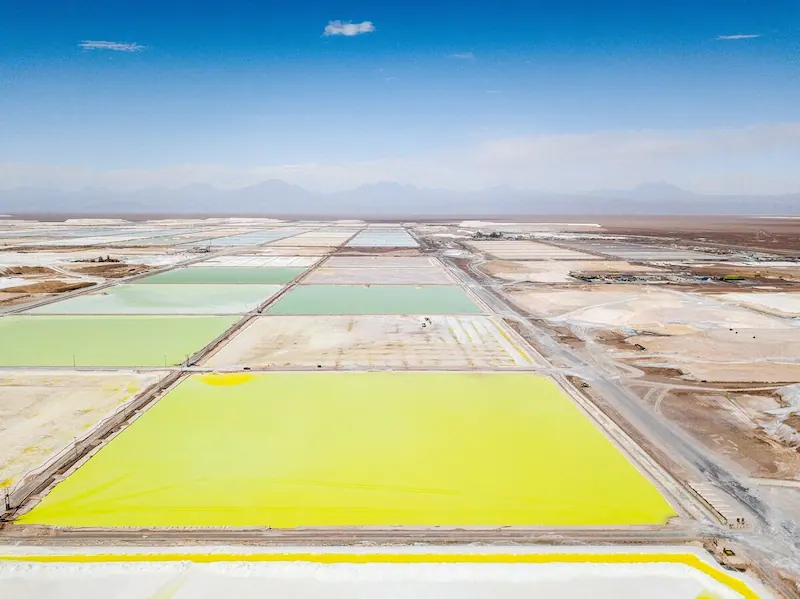


Chile is gearing up to double its lithium production as a strategic move to prevent a potential shortage in the global lithium industry. Despite recent oversupply issues plaguing the battery supply chain, Chile's finance minister, Mario Marcel, warns that the greater risk lies in producing too little of the vital metal rather than an excess. A shortage could lead to skyrocketing prices and create opportunities for alternative battery technologies to gain traction, impacting the shift towards electric mobility.
In a recent interview, Marcel emphasized the importance of increasing lithium production to support the manufacturing of lithium batteries for electric vehicles. Chile's ambitious plan involves opening up new salt flats for mining operations, with the goal of doubling lithium output over the next decade under a new public-private model. This initiative is crucial for meeting the growing demand for lithium as the world transitions away from fossil fuels towards cleaner energy sources.
The proposed increase in lithium production in Chile is expected to be a welcome development for the EV supply chain, especially as demand continues to rise. The surge in lithium prices in late 2022 followed by a sharp decline in the past year underscores the volatile nature of the market. By expanding production capacity, Chile aims to stabilize prices and ensure the availability of lithium for battery manufacturers amid a growing global demand for electric vehicles.
The government's plan includes partnering with companies like SQM and state-owned Codelco to boost production, in addition to opening up new projects in the country. President Gabriel Boric's strategy focuses on tapping into Chile's vast lithium reserves more efficiently, ending years of market share loss due to strict output quotas. The plan categorizes salt flats into strategic areas controlled by the state and allows for flexible negotiation in other areas with private partners, creating opportunities for collaboration and investment in the lithium industry.
Despite initial concerns about the government's emphasis on state involvement and the adoption of new extraction methods, Marcel clarifies that the goal is to encourage efficiency and sustainability in lithium production. The inclusion of direct lithium extraction as a "desirable variable" rather than a mandatory requirement in new contracts shows a balanced approach to fostering innovation while catering to industry needs. With clear guidelines in place, Chile aims to position itself as a key player in the global lithium market, contributing to the growth of the electric mobility sector and ensuring a stable supply of lithium for future battery technologies.