




In a potential turning point for commercial relations between Venezuela and Colombia, the socialist government of Venezuela is engaged in discussions with Colombian companies to provide compensation for assets seized during the late President Hugo Chávez's administration. The talks involve Cementos Argos SA, Colombia's largest cement maker, and Comercializadora Internacional de Azúcares y Mieles (Ciamsa), a Cali-based sugar exporter.
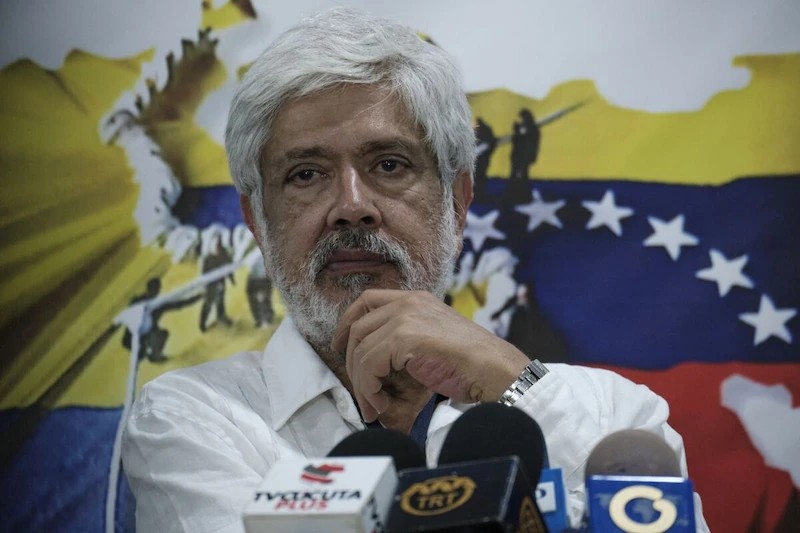
Amidst efforts to mend ties between the two nations following Gustavo Petro's election as Colombian president in 2022, Venezuela appears eager to resolve longstanding disputes without resorting to legal battles. German Umaña, Colombia’s minister of commerce, trade and tourism, has played a pivotal role in facilitating these negotiations. Having also served as the head of the Colombian-Venezuelan chamber of commerce, Umaña's involvement underscores the importance of these discussions for both countries.
During his presidency from 1999 to 2013, Chávez spearheaded numerous expropriations as part of his socialist agenda to increase the state's role in the economy. Cementos Argos saw its plant in western Venezuela seized in 2006, while Ciamsa had a sugar mill in Tachira state expropriated in 2010. However, years of mismanagement following the seizures saw many of these expropriated companies either inactive or operating at reduced capacity.
In a bid to revitalize the Venezuelan economy, President Nicolás Maduro has begun reversing some of the expropriations from the Chávez era and partnering with private entities to manage state-owned enterprises. Cementos Argos's potential acquisition of a facility near Venezuela's coast could not only aid the company's exports to the US but could also represent a strategic move in navigating US sanctions.
Despite Cementos Argos's status as a major player in the Colombian and US cement markets, the firm was never compensated for the expropriation in Venezuela. The ongoing negotiations, confirmed by the company's CFO Felipe Aristizábal, signify a significant step towards addressing past grievances and fostering collaboration between the two nations.
As Colombian investors cautiously gauge the evolving dynamic between Venezuela and Colombia, the impending approval of a bilateral treaty of investment protection by the Colombian congress could provide much-needed assurances. The treaty is expected to establish international arbitration mechanisms to resolve conflicts, offering a sense of security for Colombian investors considering ventures in Venezuela.
With hopes of doubling trade volume between the two countries to approximately $1.4-1.5 billion this year, there is a palpable sense of optimism regarding the future of economic cooperation between Venezuela and Colombia. While trade levels remain below their 2008 peak, the ongoing negotiations and potential ratification of the investment protection treaty set the stage for a new chapter in bilateral economic relations.