


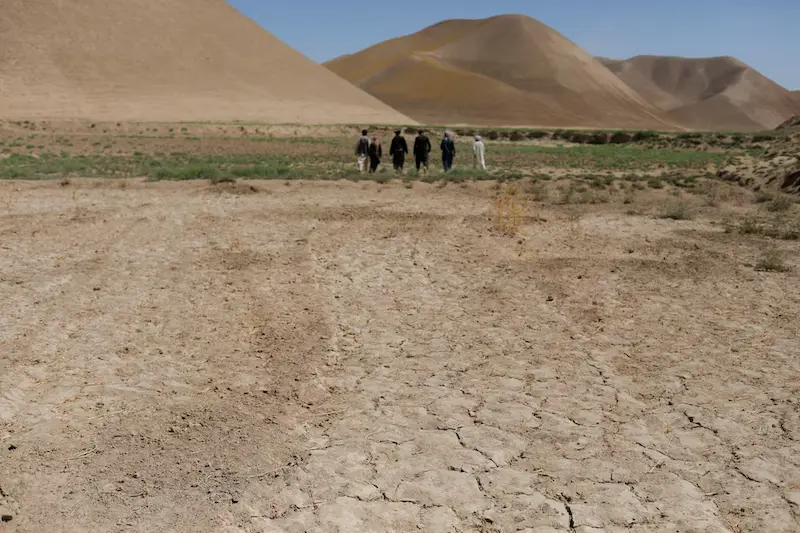


In 2023, Asia bore the brunt of climate-related disasters, surpassing all other regions in the world, according to the latest findings from the World Meteorological Organization (WMO). The report unveiled a staggering 79 disasters associated with hydro-meteorological events in Asia alone, with floods and storms emerging as the primary culprits behind the highest number of casualties. Tragically, these disasters claimed over 2,000 lives, underscoring the severe toll of extreme weather events on the continent's vulnerable populations.
WMO Secretary-General Celeste Saulo highlighted the grim reality facing many countries in Asia, where record-breaking temperatures exacerbated by climate change have unleashed a relentless onslaught of environmental extremes. From scorching heatwaves and prolonged droughts to devastating floods and powerful storms, the region faced an array of challenges that tested the resilience of communities and strained existing disaster response mechanisms. The increasing frequency and severity of these events underscored the urgent need for concerted global action to address the root causes of climate change.
Notably, Asia's rapid warming trend has outpaced the global average, with 2023 marking the hottest year on record for many countries across the continent. From western Siberia to central Asia, and from eastern China to Japan, high temperatures gripped vast swathes of the region, underscoring the far-reaching impacts of climate change on Asia's diverse landscapes and ecosystems. The scorching temperatures not only intensified existing environmental pressures but also set the stage for an escalation of extreme weather events, leading to a rise in disaster-related fatalities and economic losses.
Beyond the immediate human toll, the WMO report also drew attention to the alarming state of glaciers in Asia's high-mountain regions. Driven by unprecedented heatwaves and prolonged dry spells, most glaciers experienced significant mass loss in 2023, further exacerbating concerns about water resource availability and environmental sustainability. With glaciers serving as vital water sources for millions of people across Asia, their rapid retreat poses a looming threat to regional water security and underscores the urgent need for comprehensive climate adaptation measures.
As Asia grapples with the fallout of a tumultuous year marked by climate-related disasters, the WMO's report serves as a stark reminder of the pressing need for coordinated global efforts to mitigate the impacts of climate change. By amplifying awareness, strengthening resilience, and driving sustainable action, the international community can work towards building a more secure and resilient future for Asia and beyond in the face of a rapidly changing climate landscape.