


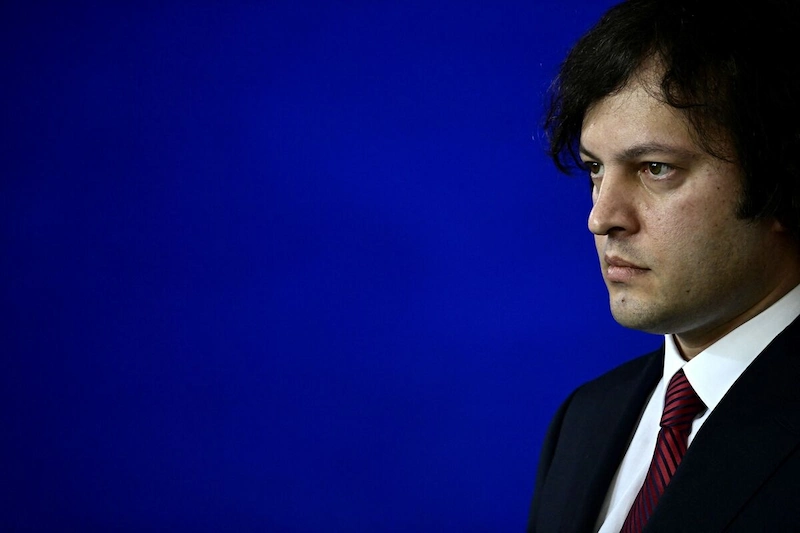


In a defiant stance against widespread protests and international criticism, Georgia's Prime Minister Irakli Kobakhidze has vowed to push forward with the controversial "foreign agent" bill in the next two days. Despite mounting opposition both within the country and from Western allies, Kobakhidze emphasized that the ruling party's decision is based on overwhelming public support, with polls indicating that over 61% of the population back the proposed legislation.
The bill, officially known as the "foreign agent" law, aims to enhance transparency by requiring non-governmental organizations and media outlets to disclose the sources of their funding. Kobakhidze justified the measure as a means to safeguard against undue influence from external entities. Furthermore, he cautioned demonstrators against exceeding their right to protest, hinting at potential repercussions for continued rallies.
The United States and the European Union have both raised concerns over the Georgian Dream party's legislation, labeling it as "Kremlin-inspired" and warning that it could jeopardize the country's relationship with the West. This criticism has been amplified by the planned visit of James C. O’Brien, the US Assistant Secretary for European and Eurasian Affairs, to Tbilisi commencing on Tuesday.
The tensions between the government and protesters came to a head recently as tens of thousands of individuals took to the streets of Tbilisi, converging in Europe Square to voice their opposition. Demonstrations have been ongoing for weeks, with protesters planning to intensify their actions by staging overnight protests outside the parliament building and initiating strikes at universities.
The deployment of riot police using tear gas, pepper spray, and water cannons against demonstrators has drawn condemnation from the European Union, with the use of force deemed as unacceptable. However, Kobakhidze remained resolute in the face of potential repercussions, downplaying the threat of US sanctions and expressing hope for continued partnership with the United States.
Georgian President Salome Zourabichvili joined the discussion, condemning the bill as a "Russian law" and raising concerns about its implications on the country's sovereignty. The proposed legislation threatens organizations or individuals receiving a significant portion of their income from abroad with fines and imprisonment of up to five years if they fail to register as pursuing the interests of a foreign power.
As Georgia stands at a crossroads between its domestic policy agenda and international relations, the fate of the "foreign agent" bill looms large over the country's political landscape. With parliamentary elections looming in October, the Georgian Dream party's decision to forge ahead with this legislation signals a potential shift in the nation's trajectory, one that continues to be met with resistance and scrutiny both at home and abroad.