


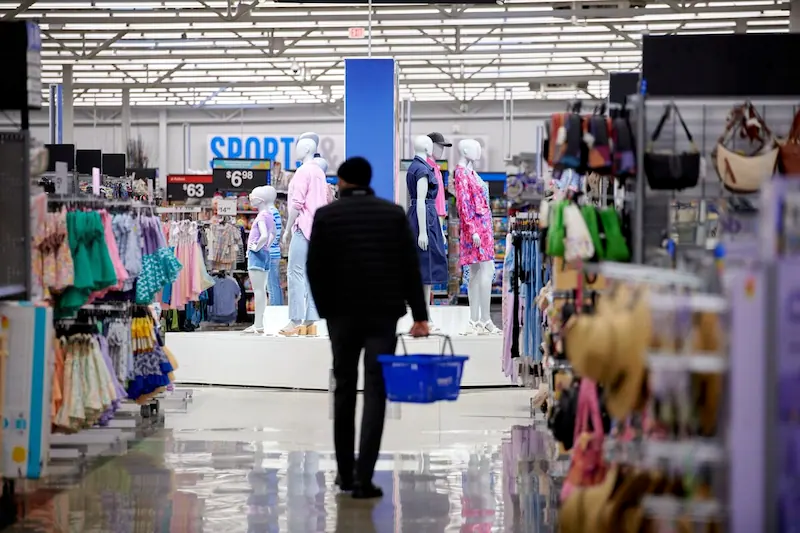


A shift in consumer behavior following the post-pandemic euphoria of revenge spending is beginning to reverberate across various industries, impacting companies' financial results. From food producers to luxury brands, evidence of this change is becoming increasingly apparent.
Nestle SA, the world's largest food company, recently revised its revenue outlook for the year downwards, signaling a potential slowdown in consumer spending. Similarly, Unilever Plc reported sales figures below expectations, while Stellantis NV, the owner of Jeep, recorded a sharp decline in profit. Whirlpool Corp., a US appliance maker, also adjusted its earnings forecast amid changing consumer habits.
The effects of a cost-of-living crisis are becoming more pronounced as shoppers hunt for value and opt for more affordable brands. In the US, around 80% of consumers are cutting back on grocery spending, indicating a shift towards more budget-friendly options.
Consumers like Dan Kotowski from Colorado are adapting by making strategic changes to their shopping habits, opting for less expensive alternatives and buying in bulk to save money. This trend is reflective of a broader consumer sentiment grappling with rising prices and financial constraints.
Furthermore, companies across various sectors are feeling the impact of this consumer pullback. Automakers like Stellantis are seeing a decrease in sales as consumers postpone big-ticket purchases. Even courier companies like UPS are facing challenges as consumers opt for cheaper, lightweight products over higher-value packages.
The luxury segment is not immune to these changes either, with companies like LVMH and Burberry reporting weaker sales, particularly in China where affluent consumers are cutting back on high-end purchases. This shift is causing luxury brands to reassess their strategies and adjust expectations for the future.
In conclusion, the global consumer backtrack from post-pandemic spending highs is reshaping the corporate landscape, forcing companies to adapt to changing consumer preferences and navigate a more challenging economic environment.