


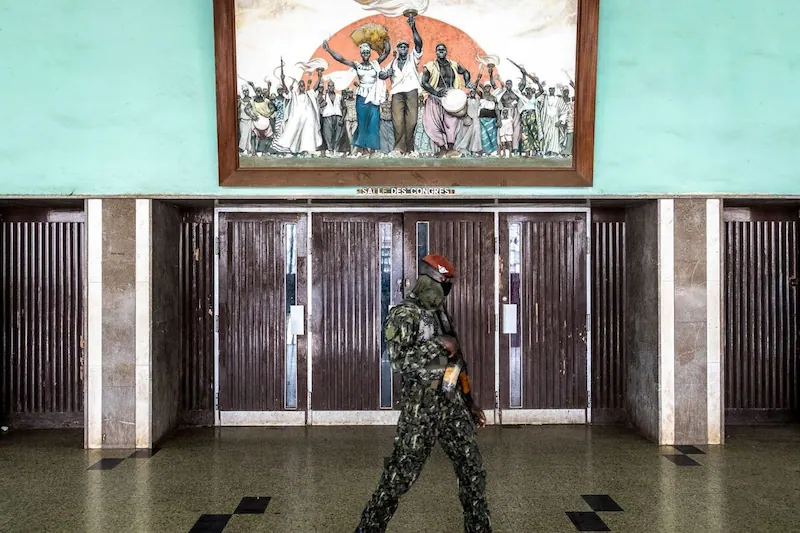


In a significant move towards political reform, Guinea's military leadership has introduced a draft constitution that includes provisions to reduce presidential terms from six to five years and impose restrictions on presidential tenure. The proposed changes aim to prevent any individual from serving more than two terms as president in their lifetime, setting a clear limit on the accumulation of executive power.
The draft constitution, presented by spokesperson Jean Paul Kotembedouno of the National Transition Council, also sets the age criteria for presidential candidates, requiring them to be between 35 and 80 years old. These measures are part of a broader effort to establish a more inclusive and accountable political system following the military coup that ousted former President Alpha Conde in 2021.
Beyond term limits and age requirements, the proposed constitution includes provisions for the creation of a senate as a second legislative chamber alongside the National Assembly. This move aims to enhance the checks and balances within the governance structure and ensure a more representative decision-making process.
Moreover, the draft law introduces the establishment of a National Council for Development, comprising former prime ministers and ministers, to advise on key sectors such as mining, energy, and the environment. Additionally, a Special Court of Justice is proposed to handle cases of high treason and breaches of national interests by the president, signaling a commitment to upholding ethical standards and accountability at the highest levels of government.
If approved through a referendum, the new constitution will also mandate that the senate screen presidential nominations for key positions, like the central bank governor and deputy, before their appointment. This measure seeks to enhance transparency and oversight in the appointment process, ensuring that qualified individuals are selected based on merit and competence.
Overall, the proposed constitutional changes in Guinea reflect a proactive effort to address the country's political challenges, promote good governance, and safeguard democratic principles. As Guinea continues its transition towards a more stable and democratic future, these reforms signal a commitment to accountability, transparency, and the rule of law.