


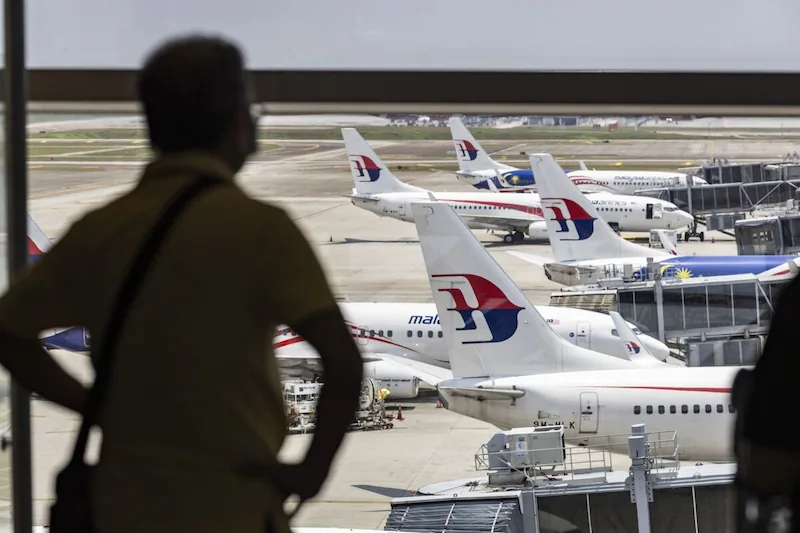


In response to a shortage of maintenance staff and delayed deliveries of new aircraft, Malaysia Airlines has announced a 20% reduction in capacity across its entire network. Domestic routes, as well as international flights to key destinations such as Australia, China, South Asia, and the Middle East, will be affected by this decision. Even low-cost subsidiary Firefly and pilgrimage unit Amal will see adjustments in their operations.
The airline's recent operational and technical challenges have led to the country's aviation regulator shortening the validity of its operator certification period. This decision signifies the severity of the situation and highlights the need for immediate action to address the various issues plaguing Malaysia Airlines.
One of the primary reasons cited for the network reduction is the delayed delivery of new aircraft. Malaysia Airlines had expected to receive 13 Boeing Co. 737 Max jets this year but has only received 4 so far. Similarly, Airbus SE is behind on delivering the A330neo widebody planes, with only 3 out of the expected 4 arriving in 2024.
The industry-wide struggle with aircraft delivery delays has been exacerbated by supply chain issues and persistent part shortages faced by manufacturers like Boeing and Airbus. These challenges have had a cascading impact on airlines worldwide, affecting their operational efficiency and service reliability.
Furthermore, Malaysia Airlines is also grappling with an attrition of skilled maintenance workers, as new players enter the local market. The increasing competition for talent, coupled with the extended repair and overhaul timelines due to supply chain disruptions, has further strained the airline's ability to maintain its fleet.
Overall, the combination of maintenance shortages, aircraft delivery delays, and supply chain issues has created a perfect storm for Malaysia Airlines, necessitating proactive measures to streamline operations and mitigate the impact on passengers.