


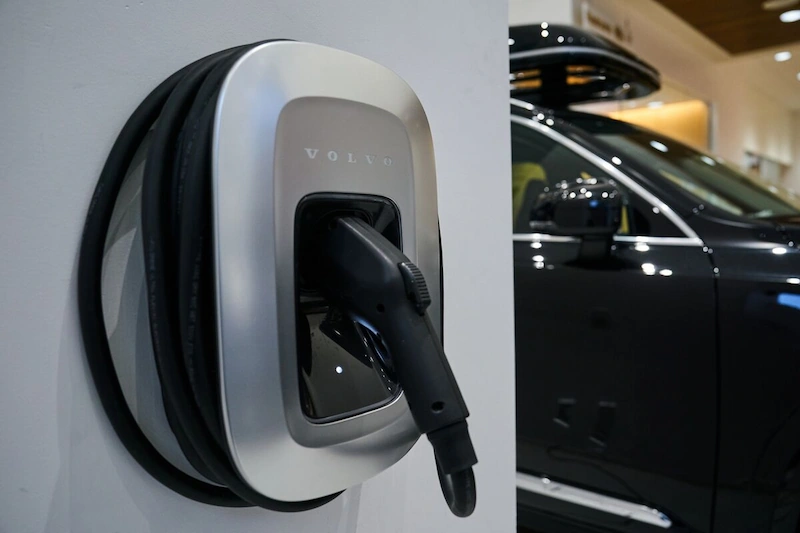


In a strategic shift, Volvo Car AB has decided to steer away from its previous target of exclusively selling fully electric vehicles by the end of the decade. The Chinese-owned automaker has adjusted its goals to include plug-in hybrid and battery-only models accounting for at least 90% of sales in 2030, with the remaining 10% comprised of mild hybrids that primarily utilize combustion engines.
The decision comes as demand for electric cars in Europe has started to wane, following cuts in government subsidies in countries like Germany and Sweden. In response to this trend, other major automakers such as Mercedes-Benz Group AG and Volkswagen AG have also tempered their electric vehicle ambitions. Volkswagen, in particular, is even considering factory closures to streamline costs.
Volvo's situation is further complicated by the ongoing trade conflicts between China and key markets like the US and the EU. The company faces the possibility of tariffs on its electric models manufactured in China, which could impact its competitiveness in global markets. This has led Volvo to make adjustments in its sales forecasts and production schedules, as well as implementing cost-cutting measures such as job reductions in Sweden.
As Volvo revises its sales targets and product mix, it also acknowledges the potential environmental impact of these changes. The company now aims to reduce carbon dioxide emissions per car by 65% to 75% by 2030, compared to its initial goal of a 75% reduction. Despite these adjustments, Volvo remains committed to its investments in fully electric vehicles, emphasizing its belief in an electric future.
CEO Jim Rowan affirmed Volvo's dedication to electrification, highlighting the launch of their flagship electric SUV, the EX90, as a key driver of future demand. The company has already commenced deliveries of the model to retailers in the US and Europe, with the first customers set to receive their vehicles soon.
The upcoming events in Gothenburg, Sweden, where Volvo executives will provide updates on strategy and products, will offer further insights into the company's evolving approach in response to shifting market dynamics. While the road to electrification may not be straightforward, Volvo remains steadfast in its commitment to sustainable mobility solutions.