


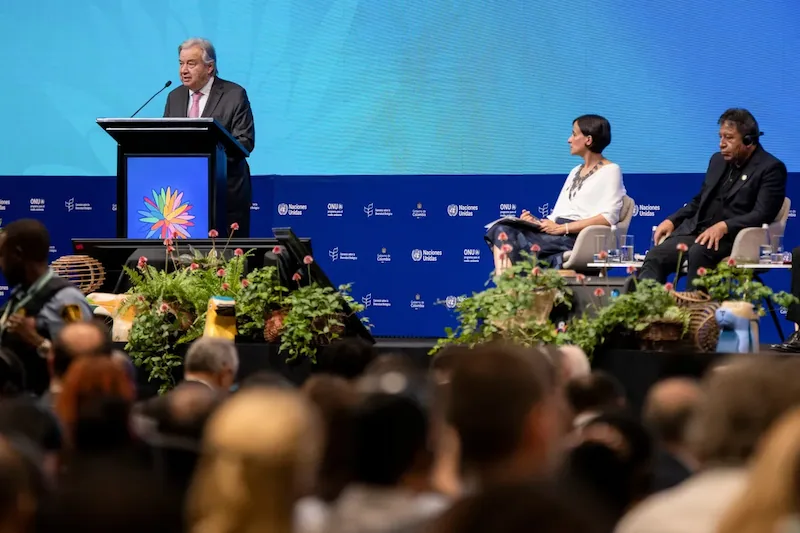


The 16th United Nations Biodiversity Conference, known as COP16, came to an abrupt end in Cali, Colombia, due to disagreements among countries over the establishment of a new global nature fund. The conference aimed to build upon the Kunming-Montreal Global Biodiversity Framework adopted two years ago, with the goal of reversing the decline in nature by the end of the decade through substantial funding.
Despite the suspension of the summit, COP16 achieved some successes. One notable outcome was the agreement on the creation of the Cali Fund, which will be supported by contributions from companies utilizing genetic data from the natural world. However, the conference fell short in other areas, with many parties failing to submit their plans to meet the 2022 pact and rich nations committing only a fraction of the necessary funds.
The complicated negotiations surrounding the new fund and the broader issue of financing highlighted the challenges in addressing biodiversity loss. While some progress was made, particularly in benefit-sharing and the inclusion of Indigenous peoples and local communities, there is still a significant gap in funding needed to meet the ambitious targets set for 2030.
As countries prepare for the upcoming COP29 climate summit in Baku, Azerbaijan, the focus shifts to mobilizing finance to support nature protection and climate action. The failure to reach a consensus on raising and distributing funds at COP16 raises concerns about addressing the dual crises of climate change and biodiversity loss effectively.
Despite the setbacks, the establishment of mechanisms like the Cali Fund and the continued commitment to the goals of the 2022 pact provide a foundation for future efforts. The engagement of a record number of delegates and the increased involvement of businesses and financial institutions signify the growing recognition of the importance of preserving biodiversity for the well-being of people and the planet.
As the COP16 negotiations remain in limbo, the urgency to accelerate action towards the 2030 targets remains. With the fate of the biodiversity pact hanging in the balance, the global community faces a crucial turning point in its efforts to protect nature and address the interconnected challenges of climate change and biodiversity loss.