


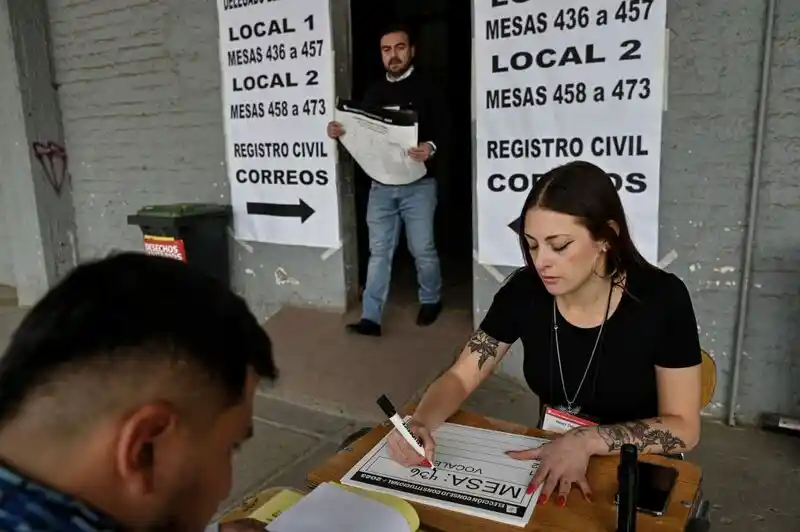


Chile is set to hold an election this Sunday to elect 50 members for a new Constitutional Council. This comes as the country tries to rewrite its constitution, which dates back to the dictatorship of Augusto Pinochet. The vote is expected to highlight a political sea-change as the nation lurches back to the right, just three years after civil unrest brought much of the country to a standstill amid demands for greater equality and improved social services.
All eyes will be on whether the right can win the three-fifths majority needed in the Council to push through articles in the new constitution without the support of the left. A previous attempt to rewrite the charter was overwhelmingly rejected in a September referendum, out of concern that it went too far to the left, rewriting the foundations of Chile's free-market economy and weakening political checks and balances.
Pepe Auth, a former member of the lower house and an election forecasting expert, predicts that "the three lists that rejected the former draft in September will surely be above 62% and the two lists that were for approving the text will be below 38%". Should the right win that majority, the constitution that enshrines Chile's liberal economic model is likely to remain largely unchanged, much to the relief of the market.
However, it may anger many on the left who had demanded a new constitution to placate the social uprising in late 2019. That push for change led to the election of left-winger and former student leader Gabriel Boric as president late last year. The opposition now argues that the breakdown in law and order in 2019 paved the way for an increase in crime that dominates the current political agenda and has pushed the country toward the right.
The elected body will work on a draft constitution drawn up by a committee of 24 experts chosen by congress earlier this year. It has four months to complete the task. Whatever happens in the election, the constitutional process establishes a series of principles that can't be changed, such as the central bank's independence and a bicameral congress.
The market has mostly priced in a surge in support for the right in the election, but could continue to gain if its predictions are confirmed on Sunday, according to Klaus Kaempfe, portfolio solutions director at Credicorp Capital. Should that happen, the biggest loser will be President Boric, who strongly backed the original rewrite of the constitution and then insisted on the second attempt.
In conclusion, the election of the Constitutional Council in Chile is a significant event that will determine the direction of the country's political and economic future. It remains to be seen whether the right will win the three-fifths majority needed to push through articles in the new constitution without the support of the left, but whatever the outcome, the constitutional process is designed to establish a set of unchangeable principles.