


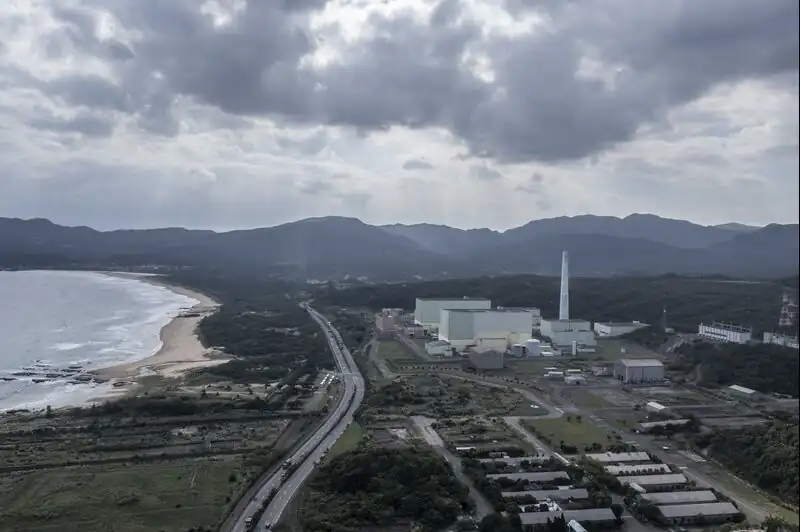


The government of Taiwan is considering a new policy to maintain its nuclear power plants on standby mode in case of emergencies. This would signify a potential reversal of its previous decision to phase out nuclear energy, and would be the first indication that it is possible to restart the plants if necessary. Currently, Taiwan is planning to completely phase out its last remaining atomic plant by 2025, in an effort to reduce its dependence on fossil fuels. However, this policy goes against the global trend towards using nuclear power as a way to reduce greenhouse gas emissions.
The decision to use nuclear power as backup generation would be difficult due to the high costs and safety measures required. Nevertheless, the government is under increasing pressure to find alternative sources of energy, as it seeks to reduce coal consumption while avoiding power shortages. Therefore, the policy of keeping nuclear reactors on standby mode would only be implemented in cases of extreme emergencies, such as blockades or natural disasters. It would also need to be safe, and receive consensus among lawmakers and the public.
Taiwan currently obtains about 11% of its power from nuclear energy, according to state-owned Taiwan Power Co. It has two operating reactors that date back to the 1980s, and which are scheduled to be shut down in 2022 and 2025. Taiwan's proposed new strategy would represent a significant shift in its policy towards nuclear energy, and would allow the country to maintain a level of energy security in the face of potential emergencies. Nevertheless, widespread agreement and careful planning would need to be achieved before such a policy could be implemented.