


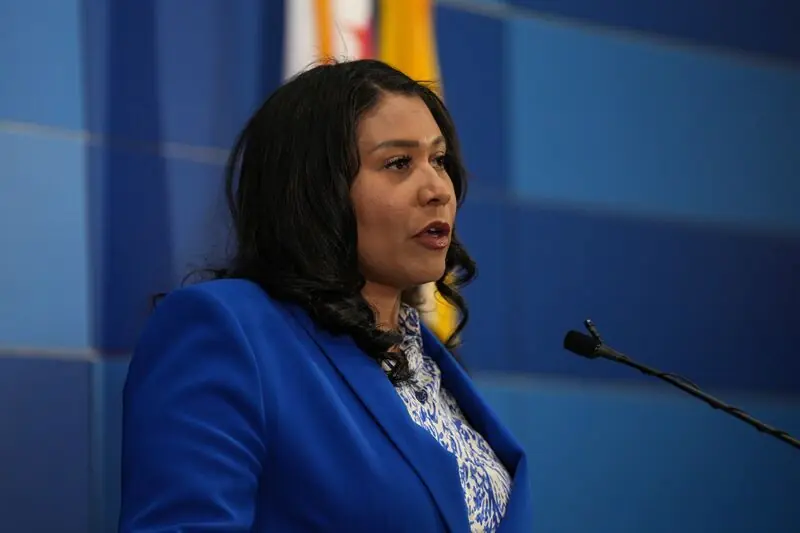


San Francisco Mayor London Breed has presented a new budget plan that prioritizes funding for police and homeless services while also aiming to boost the city's business sector. The two-year budget, which amounts to $6.85 billion, seeks to mitigate the negative impacts of the COVID-19 pandemic on city finances, which have been impacted by falling tax revenues and low office occupancy rates. Offices in downtown San Francisco are standing empty at a rate of 29.4%, a historic high, as businesses rethink the need for office space in the post-pandemic world. Leading tech companies such as Salesforce and Uber have already downsized their San Francisco footprints, contributing to the office glut.
Breed's budget plan includes a 220-officer increase in police staffing and the creation of 600 new shelter beds for homeless people, as well as 400 more mental and drug crisis treatment beds. Though Breed's budget proposal has been generally well-received, it is expected to face opposition from the progressive majority on the Board of Supervisors because of her approach to policing.
Breed has positioned herself as a moderate politician in San Francisco's heavily left-leaning political scene. She has advocated a stronger response to the city's continued open-air drug markets, but some progressive activists have accused her of supporting police brutality. Tensions came to a head last week when a protestor threw a brick in her direction during an outdoor council meeting.
The budget plan does not address the city's transit budget deficit, which could result in the SFMTA (San Francisco Municipal Transportation Agency) having to cut up to 20 bus lines starting this summer. Breed has also proposed cuts of 5% to 8% across municipal departments in order to balance the budget.
Despite these efforts to shore up finances and attract businesses back to the city, a forecast from March predicts a single-year deficit of up to $724 million in 2025 and over $1 billion in 2026. As San Francisco continues to struggle financially and with low office occupancy rates, the outlook for city finances remains uncertain.