


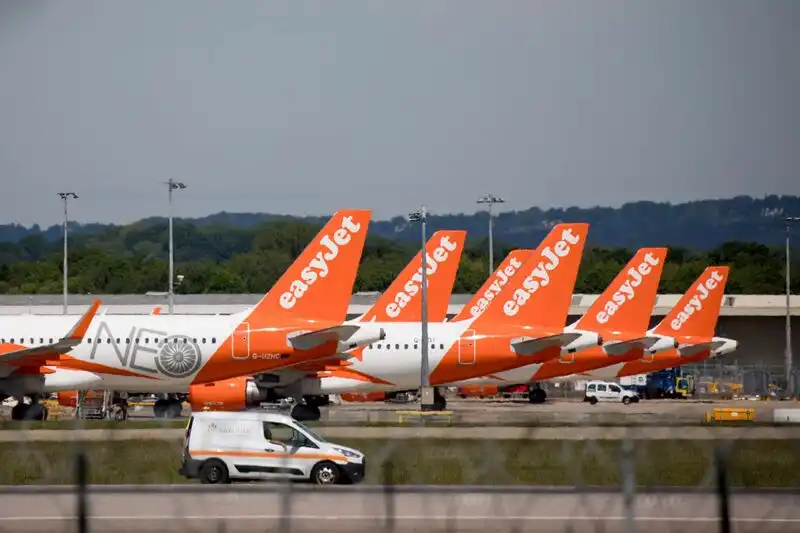


EasyJet, Europe's second largest budget airline, has been forced to cancel nearly 2,000 flights from its London Gatwick hub this summer. The cancellations are primarily due to air traffic control disruptions, as the airline seeks to minimize travel chaos for its passengers.
A total of 1,700 flights scheduled for July, August, and September have been affected, impacting approximately 180,000 passengers. Despite the significant number of cancellations, this still represents less than a day's worth of flying for EasyJet. The airline had planned to operate over 90,000 flights during the peak summer months.
Passengers affected by the cancellations will be offered the choice of rebooking onto alternative flights or receiving a refund for their disrupted travel plans. EasyJet has taken this action in an effort to alleviate the challenges posed by congestion in airspace, which has been exacerbated by the ongoing war in Ukraine and air traffic control delays.
EasyJet is not the only airline affected by such issues in recent times. Ryanair, Air France-KLM, and Deutsche Lufthansa AG have also had to cancel flights due to strikes by air traffic controllers and other disruptions.
The aviation industry has been experiencing a surge in demand as it recovers from the lows of the COVID-19 pandemic. In fact, July 6th set a new record for the busiest day ever for commercial aviation worldwide, with 134,386 flights recorded, according to aviation tracking website FlightRadar24. However, Eurocontrol, the organization responsible for managing airspace in Europe, has warned of further disruptions this summer as certain destinations become overloaded with air traffic.
Industrial action by air traffic controllers has been a major challenge for the aviation industry this year. Many controllers across Europe have gone on strike to protest against poor working conditions. In addition, a union representing Eurocontrol staff has threatened to strike over the next six months, demanding better negotiations and assurances from Eurocontrol's Director General.
As the summer travel season continues, airlines are taking preemptive measures to minimize disruptions and provide a smoother travel experience for their customers. Despite the challenges faced, the industry remains committed to meeting the increased demand for air travel and ensuring passenger safety and satisfaction.