




United Nations-appointed experts have called on the Tunisian authorities to immediately halt the practice of collective deportations of sub-Saharan Africans. This appeal comes just days after Tunisia signed a deal to curb migration to Europe. The UN Committee on the Elimination of Racial Discrimination expressed its concern over the discriminatory treatment faced by Black migrants and urged the Tunisian government to protect their human rights.
The issue of collective expulsions was initially raised by the experts in March, and they now reiterate that these deportations are strictly prohibited under international law. They stress that deporting migrants, refugees, and asylum-seekers without conducting individual risk assessments and without considering the potential human rights violations they may face upon return is in violation of international human rights law.
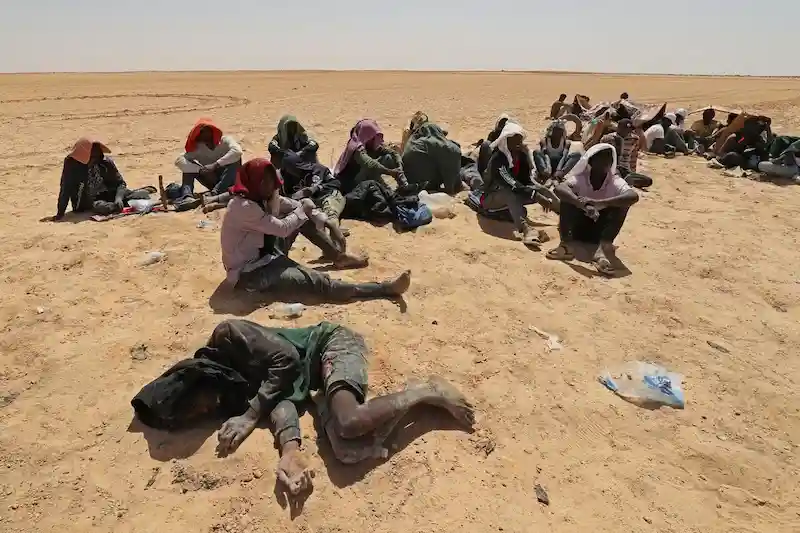
The treatment of Black Africans in Tunisia has been contentious, with incidents of eviction and discrimination occurring. President Kais Saied has blamed them for a rise in violent crime and for supposedly posing a threat to the Arab identity of the country. Consequently, Tunisian authorities have abandoned hundreds of migrants and asylum seekers in the desert near the border with Libya. Human Rights Watch has documented this alarming practice, highlighting the dire situation faced by these individuals.
Several countries, including Ivory Coast, Mali, and Guinea, have started evacuating their citizens from Tunisia due to the increased racial violence and hostility faced by Black Africans, regardless of their immigration statuses.
President Saied has denied accusations of racism, stating that his intention is to enforce migration laws and protect the economically-vulnerable nation from human trafficking. In response to criticism from the African Union, he claimed to have "African" friends.
Criticism has also been directed towards the recent agreement between the European Union and Tunisia to curb irregular migration to Europe. Amnesty International has accused the EU of turning a blind eye to the escalating violence and abuse suffered by sub-Saharan African migrants in Tunisia, and holds the EU complicit in the suffering that will inevitably result from this agreement.
These developments highlight the urgent need for Tunisia to respect and protect the rights of all migrants, regardless of their ethnicity or immigration status. The international community, including the UN and the EU, must ensure that the human rights of migrants are upheld and that they are treated with dignity and fairness.