


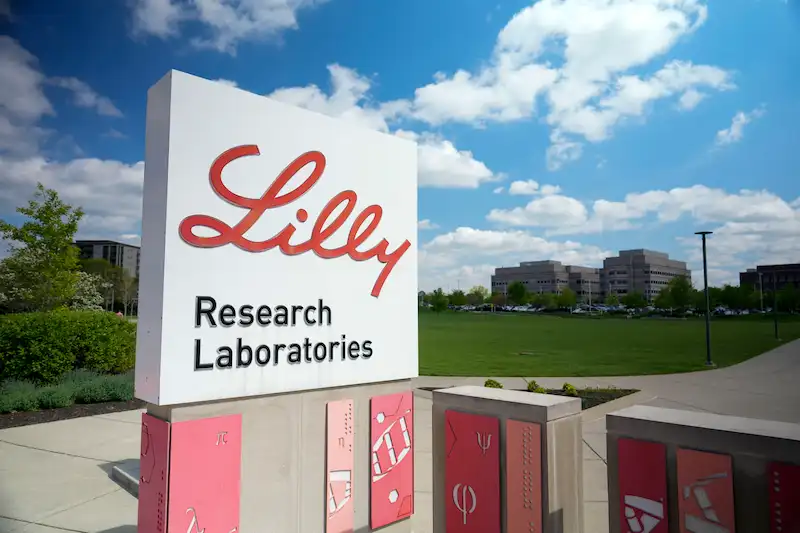


Shortages of Eli Lilly & Co.'s diabetes drug, Mounjaro, have expanded as demand continues to rise, causing supply issues for higher doses. The drug, which was approved last year to help patients with type 2 diabetes, is now being sought for obesity treatment. Despite not receiving formal approval for this indication, clinical trials have shown that higher doses of Mounjaro can lead to significant weight loss of up to 50 pounds.
Previously, US regulators had reported intermittent backorders for three higher doses of the drug through July due to increased demand. However, the latest update reveals that a fourth dose has now been added to the list of shortages, and issues with another higher-dose option are expected to persist until September. Currently, only the two lowest doses of Mounjaro are fully available.
Eli Lilly confirmed that the information on the FDA's website reflects the current situation and that they are actively working to address the supply challenges. The company is in regular contact with the FDA and is investing in expanding manufacturing capacity to meet the growing demand for Mounjaro.
In addition to seeking FDA approval for Mounjaro as an obesity treatment, Eli Lilly recently acquired Versanis Bio, an obesity-focused drug startup, for up to $2 billion. This acquisition further strengthens the company's position in the weight-loss market and demonstrates their commitment to addressing the rising demand for obesity treatments.
The shortage of Mounjaro comes in the wake of another supply issue reported by Novo Nordisk A/S for their weight-loss drug, Saxenda. Novo Nordisk has warned of difficulties in filling Saxenda prescriptions for the remainder of 2023 and beyond. As demand for weight-loss drugs continues to surge, supply constraints are becoming an industry-wide challenge.
This year, prescriptions for weight-loss drugs are on track to exceed the previous year, with patients increasingly using these medications off-label as obesity treatments. Despite only two drugs, Wegovy and Saxenda, being approved for weight management, healthcare providers are increasingly prescribing these medications for obesity, contributing to the significant growth of the global obesity market.
According to research by Morgan Stanley, the global obesity market is projected to reach $77 billion by 2030, surpassing initial estimates by over $20 billion. The analysts expect Novo Nordisk and Eli Lilly to maintain their leadership in the market, capturing a combined 82% share in the long run, despite increased competition.
The ongoing shortages of diabetes and obesity drugs highlight the urgent need for pharmaceutical companies to scale up production to meet the growing demand for these medications. Patients relying on these drugs for their health management and weight loss efforts may face challenges due to the supply constraints, emphasizing the importance of finding effective solutions to ensure uninterrupted access to essential medications.