


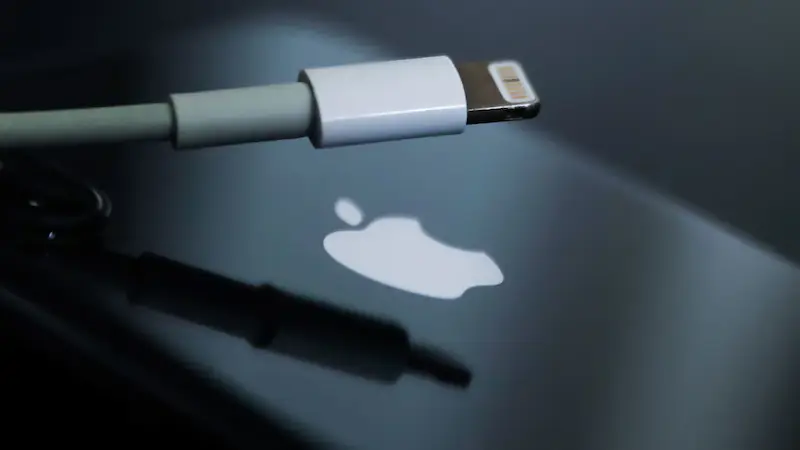


Apple is poised to unveil the highly anticipated iPhone 15 in just a matter of days, and it's anticipated to bring about a significant change. The iPhone 15 is heavily rumored to abandon the proprietary Lightning charger in favor of USB-C charging. This move would mark a milestone for Apple as it adopts universal charging, potentially streamlining the charging process across various devices and brands.
The decision to switch to USB-C comes on the heels of the European Union's approval of legislation mandating smartphones, tablets, digital cameras, portable speakers, and other small devices to support USB-C charging by 2024. The objective of this groundbreaking law is to reduce the number of chargers and cables that consumers need to deal with when purchasing a new device. It also aims to allow users to mix and match devices and chargers, even if they are manufactured by different companies.
Although this may seem like a drastic change for iPhone design, it is not entirely unexpected. Apple has previously transitioned its iPads and MacBooks to USB-C charging, but it has been hesitant to make the change on its flagship iPhone.
Last year, Greg Joswiak, Apple's senior vice president of worldwide marketing, emphasized the value and ubiquity of the Lightning charger but acknowledged the company's compliance with the EU mandate. He expressed that from an environmental and customer perspective, a different approach would have been more favorable.
The EU's decision is part of a broader effort to tackle the issue of electronic waste. However, in the short term, the transition away from Lightning cables may generate more e-waste, and Apple will likely need to develop a recycling program for these cables.
Financial considerations have also played a role in Apple's resistance to the switch. The Lightning charger was introduced alongside the iPhone 5 in 2012, offering faster charging and a reversible design. It not only gave Apple control over its own ecosystem but also contributed to a thriving accessories business. Users were required to purchase a $30 Lightning adapter to connect the device to older docks, alarm clocks, and speaker systems. The company also made profits from third-party accessories and cables through its Made For iPhone program.
Moving to USB-C would challenge Apple's level of control as it is a more open ecosystem. However, Apple could create its own branded USB-C cable to optimize charging performance for the iPhone, such as supporting faster charging while minimizing battery risk and damage.
It remains uncertain whether the shift to USB-C will apply to all models of the new iPhone 15 or only the Pro versions. While the transition to USB-C may not be the sole incentive for users to upgrade, it could sway those who have been hesitant due to the iPhone's charging limitations.
Considering the widespread use of USB-C in other devices, such as Apple's own iPads and MacBooks, obtaining charging wires should not be a significant challenge or expense for most users.
In the future, Apple may even consider bypassing wired charging altogether in favor of wireless charging. However, this transition is unlikely to happen soon since wireless charging is currently significantly slower than wired charging. Only time will tell.