


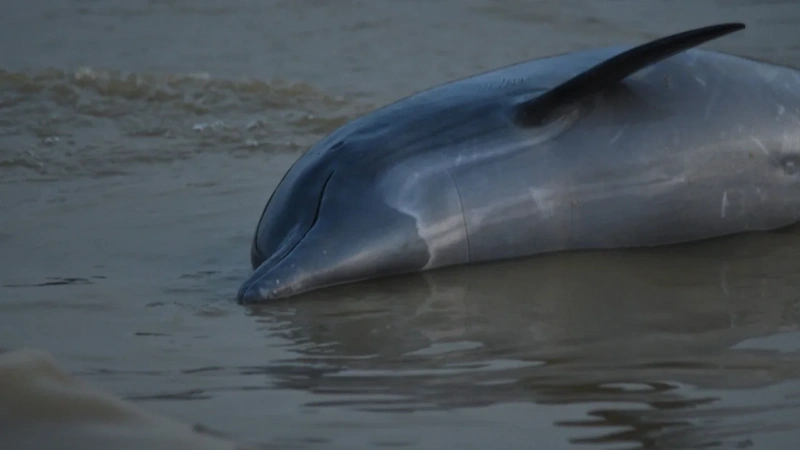


More than a hundred dolphins have been discovered dead in Lake Tefé, located in the Brazilian Amazon, over the past seven days. This unusually high number of deaths has raised concerns among researchers at the Mamirauá Institute, a research facility funded by the Brazilian Ministry of Science. They believe that the deaths may be linked to the ongoing historic drought and record-high water temperatures in the region, which have reached over 102 degrees Fahrenheit in some areas.
The Amazon River, the largest waterway in the world, is currently experiencing the dry season, leading to below average water levels. This has resulted in increased water temperatures that are impacting the wellbeing of various aquatic species, including river dolphins. The situation is dire, as the dolphins are unable to escape the excessively hot waters of the lake.
Efforts are being made by researchers and activists to rescue surviving dolphins by transferring them from lagoons and ponds to the main body of the river, where the water is relatively cooler. However, this task is proving to be challenging due to the remote and inaccessible nature of the area.
The Mamirauá Institute has emphasized the importance of ensuring the safety of the dolphins before releasing them into the wild. They must be thoroughly examined for toxins or viruses to prevent any potential harm to other populations or ecosystems.
Not only are these dolphin deaths tragic for biodiversity, but they also have wider implications for the local economy. The drought has affected transport and fishing activities along the river, impacting the livelihoods of many communities in the Amazonas State.
Authorities predict that the situation may worsen over the next few weeks, with even more severe droughts expected. This raises concerns of further dolphin deaths and exacerbates worries among climate scientists about the consequences of human activity and extreme weather events in the region.