


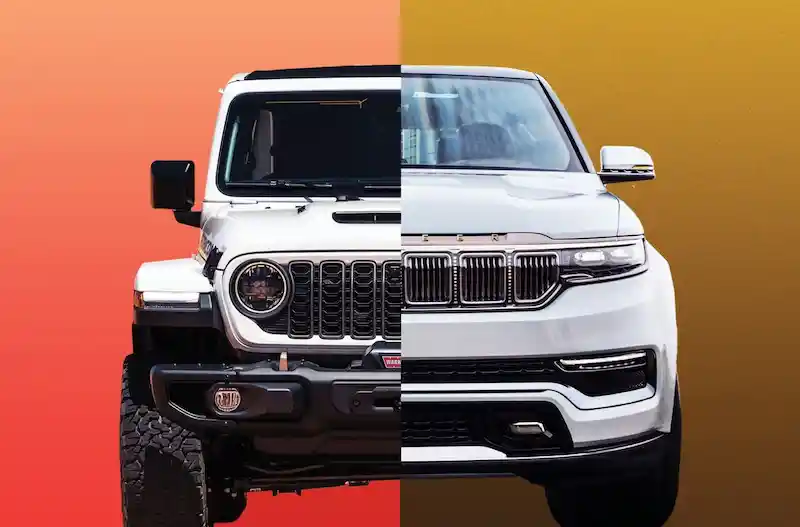


Jeep, the renowned SUV brand synonymous with off-roading adventures, is facing a challenge as its parent company, Stellantis NV, attempts to expand its reach and push the brand upmarket. While Jeep has been successful in raising prices and entering the luxury segment, this strategy is starting to backfire as it clashes with consumer demand for more affordable vehicles. As a result, Jeep is losing ground to rivals like Toyota and Hyundai, who are attracting Jeep buyers with lower-priced options. Furthermore, the return of the Ford Bronco has introduced a true competitor in the off-roading space.
In the third quarter, Jeep experienced a 4% decline in unit sales, marking the ninth consecutive quarterly decline for the brand. Sales have been down 9% year-to-date, with most models reporting lower deliveries compared to the previous year. These declines come at a time when other automakers, such as General Motors, Ford, Toyota, and Hyundai, are posting strong gains due to recovering vehicle inventories and pent-up consumer demand. Hyundai, in particular, is poised to overtake Stellantis as the fourth-largest carmaker in the US this year.
Stellantis revealed these disappointing third-quarter results just after the announcement of Christian Meunier's departure as the global head of Jeep. This leadership change could indicate recognition of the challenges Jeep is currently facing. Jeep's ability to command higher prices from its loyal customer base and its reputation as an SUV pioneer have allowed it to raise prices on its popular Wrangler by 40% over the past five years, surpassing the industry average. However, this move upmarket, combined with higher interest rates, has made tricked-out, high-priced SUVs less attractive to buyers.
According to branding research firm Strategic Vision, Jeep's competitors are capitalizing on this opportunity. The Ford Bronco, which returned to the market in 2020 after a long hiatus, is posing stiff competition for the Wrangler. Value brands like Hyundai, Kia, and Honda are also chipping away at Jeep's market share by offering midsize SUVs with new technology at a lower price point.
In response to these challenges, Jeep introduced a lower-priced version of its top-selling model, the Grand Cherokee, in September. This move aimed to make the brand more accessible to mainstream consumers. The Wrangler, Jeep's iconic model, still commands high prices, with an average transaction price of around $59,000 in September, compared to the industry average of under $48,000. Jeep's pricing strategy includes various options and customization features that can significantly increase the final price tag.
While Wrangler sales showed positive momentum in August and September, it wasn't enough to offset the decline in July. The brand also suffered from the discontinuation of the Cherokee this spring, leaving a gap in the midsize SUV segment. However, Jeep plans to fill this void and is also gearing up to launch two electric models next year, indicating their commitment to adapting to changing market demands.
Despite these efforts, some experts believe that Jeep's current struggles go beyond the regular fluctuations of product cycles. They suggest that Jeep has been charging higher prices without adding sufficient value to justify them, potentially alienating its loyal customer base. The success of the Wagoneer and Grand Wagoneer in attracting customers from other brands may inadvertently compound this issue, as it may further exclude Jeep loyalists who can no longer afford a new Wrangler.
Dealerships, such as the one owned by Robert Loeher in Georgia, are feeling the impact of increased competition from more affordable brands. Loeher has had to adjust his business strategy by focusing more on used vehicle sales and generating revenue through parts and service. While he acknowledges the reasoning behind the price increases as a means for Stellantis to invest in electric vehicles, he also emphasizes the need to sell as many Jeeps as possible.
Jeep's journey towards higher pricing and a more luxurious image has come at a cost. Striking a balance between maintaining the brand's rugged authenticity while making it accessible to a wider range of consumers will be essential for Jeep's future success. As the automotive landscape continues to evolve, Jeep must continue to adapt and respond to shifting consumer demands in order to remain a dominant player in the ever-competitive SUV market.